Creating a Dynamic PRD in 2026: A Blueprint for Product Teams
You sit down to clarify a complex feature request involving three different engineering teams and a stringent compliance requirement. After spending days gathering context and documenting edge cases, your team reads the resulting document. They struggle to visualize the outcome and build something misaligned with the primary user need. This breakdown happens frequently when product managers rely entirely on text to explain interactive experiences. Moving past rigid documentation requires blending written context with visual artifacts early in the process.
The Structural Framework of Modern Specifications
Modern specifications demand a hybrid approach combining clear textual guidelines with visual markers. Writing an effective document means providing engineering and design teams with exact operational parameters without stifling their creative problem-solving abilities.
Defining What Documents Actually Do
A requirements document functions as a strategic contract that aligns cross-functional peers on a precise product outcome. By answering what the team is building and why it matters, these artifacts establish clear boundaries for the development lifecycle.
Figuring out what is a product requirements document means understanding its role as an alignment tool rather than a dictation of features. Teams report that static, text-heavy specifications often become obsolete shortly after development begins, leading to severe execution risks when product teams fail to maintain dynamic updates. According to recent workflow analyses, relying on outdated static documents causes delays in up to 50% of projects. Modern product manager responsibilities and PRD alignment require continuous iteration to keep all stakeholders grounded in reality.
Standardizing the Format
Establishing a consistent format reduces cognitive load for readers and ensures no critical details slip through the cracks during planning. Predictable structures allow engineers and designers to find dependencies quickly without reading pages of narrative prose.
When creating a product requirements document, establishing a thorough organizational structure prevents costly misinterpretations. Effective modern formats typically include sections such as problem statement, target audience, success metrics, technical approach, dependencies, and others. These typically cover:
- the problem statement
- target audience
- success metrics
- user stories
- out-of-scope items
- technical dependencies
- go-to-market strategy
- release timeline
- risks
- linked visual assets
Adopting a standardized product requirements document template across your organization gives cross-functional partners a familiar framework to navigate. Utilizing PRD templates such as the 2026 template provides a vetted starting point for complex initiatives.
The Role of Competitive Benchmarking
Analyzing how other platforms solve similar user flows provides tangible reference points for your team. Grounding your feature requests in existing interaction models helps engineers understand the desired outcome faster.
Including competitive teardowns directly inside your documentation significantly improves developer comprehension. Benchmarking competitor user flows helps translate abstract concepts into concrete interaction patterns. Research indicates that embedding these visual benchmarks into early specifications can cut time-to-value by 30% by reducing ambiguity in the onboarding phase, and individual contributors report an average 20% increase in clarity. Instead of writing lengthy paragraphs explaining a standard filter behavior, you can point directly to an established pattern. This practice enables teams to focus their cognitive effort on the unique, differentiated aspects of their own product.
Evolving from Text to Interactive Artifacts
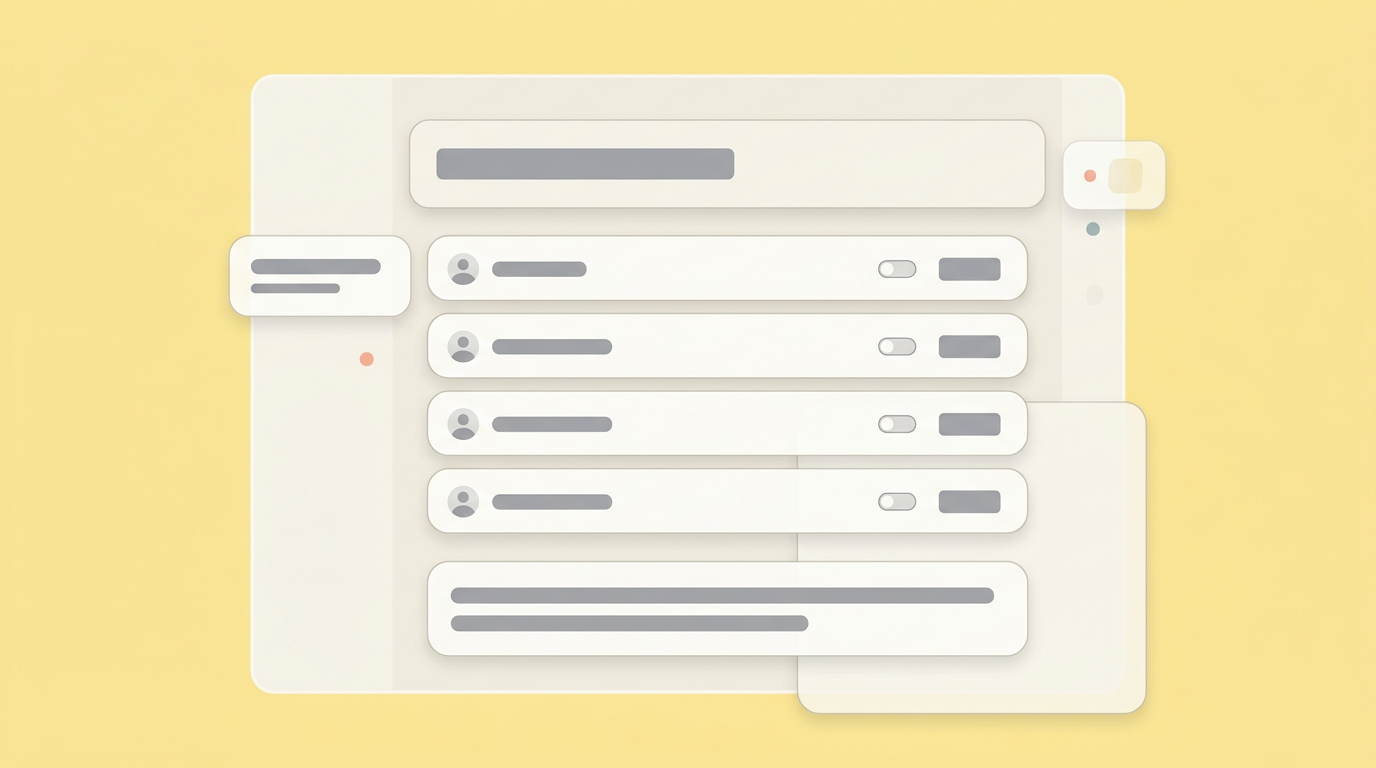
Transitioning from paragraph-heavy specifications to visual workflows accelerates shared understanding among team members. Combining written requirements with low-fidelity interaction models clarifies edge cases that text alone cannot capture.
The Christopher Nguyen Method
Integrating visual exploration directly into the early documentation phase helps product teams spot logical gaps before writing user stories. This structured method emphasizes bringing the product itself into focus before locking in technical specifications.
Christopher Nguyen outlines a highly practical sequence for product builders. The process starts by bringing the core product concept into a visual workspace, exploring rough structural ideas, refining the specific interactions, and sharing the result for immediate reactions. We have seen teams adopt this flow to bridge the gap between abstract strategy and tangible output. You can use this approach to map out user flows alongside your written functional guidelines. Integrating these visual steps directly addresses Why 80% of PRDs Fail (And How to Write a Good PRD) by establishing clarity early.
AI Integration in Product Meetings
Bringing intelligent assistants into planning discussions transforms how teams evaluate structural product decisions. Live collaboration with automated agents helps uncover hidden dependencies while the cross-functional team is actively discussing the roadmap.
Product manager Tal Raviv explores highly effective workflows where AI subagents participate directly in product design meetings. Instead of taking notes and drafting specifications in isolation later, PMs use these tools to generate visual structures during the conversation. This active collaboration tests assumptions instantly and surfaces technical constraints while stakeholders are still in the room. Documenting these real-time visual iterations creates a far more accurate representation of the team's shared understanding. It bridges the gap between conversational alignment and formal specification.
Maintaining a Single Source of Truth
Centralizing interactive artifacts and written guidelines guarantees that all contributors operate from the exact same baseline assumptions. Scattered documents and isolated design files create dangerous visibility gaps that lead to conflicting technical implementations.
Keeping Cross-Functional Teams Focused
Establishing a primary anchor point for all product context prevents diverging interpretations of the feature scope. When engineers, designers, and marketers check a central reference, teams avoid redundant conversations and costly rework.
Product requirements must serve as a reliable reference point across the entire lifecycle of a feature. Using established structures and maintaining strict version control reduces misalignment in 100% of documented cases when properly implemented.
Every update to the specification must immediately reflect the current reality of the project. If you leave your documentation in an isolated folder while updating Jira tickets with new context, the specification loses its authority. Teams need a workflow where the documentation and the visual output remain fundamentally linked.
Reviewing PRD Examples in Practice
Studying successful specifications from fast-moving product teams highlights the shift toward brevity and visual clarity. Examining these artifacts reveals how top organizations prioritize scannability and direct links to active prototypes.
When evaluating contemporary PRD examples, you notice a massive reduction in descriptive filler text. Modern examples lean heavily on bulleted acceptance criteria, interactive flowcharts, and embedded user journey maps. They optimize for rapid consumption by technical audiences who need precise constraints rather than elaborate narratives. If you are learning how to write a PRD effectively, you should prioritize linking directly to functional prototypes to explain complex state changes. This strategy is critical when Evaluating 2026 Design Handoff Workflows for your engineering partners.
Moving from Concept to Validated Prototype
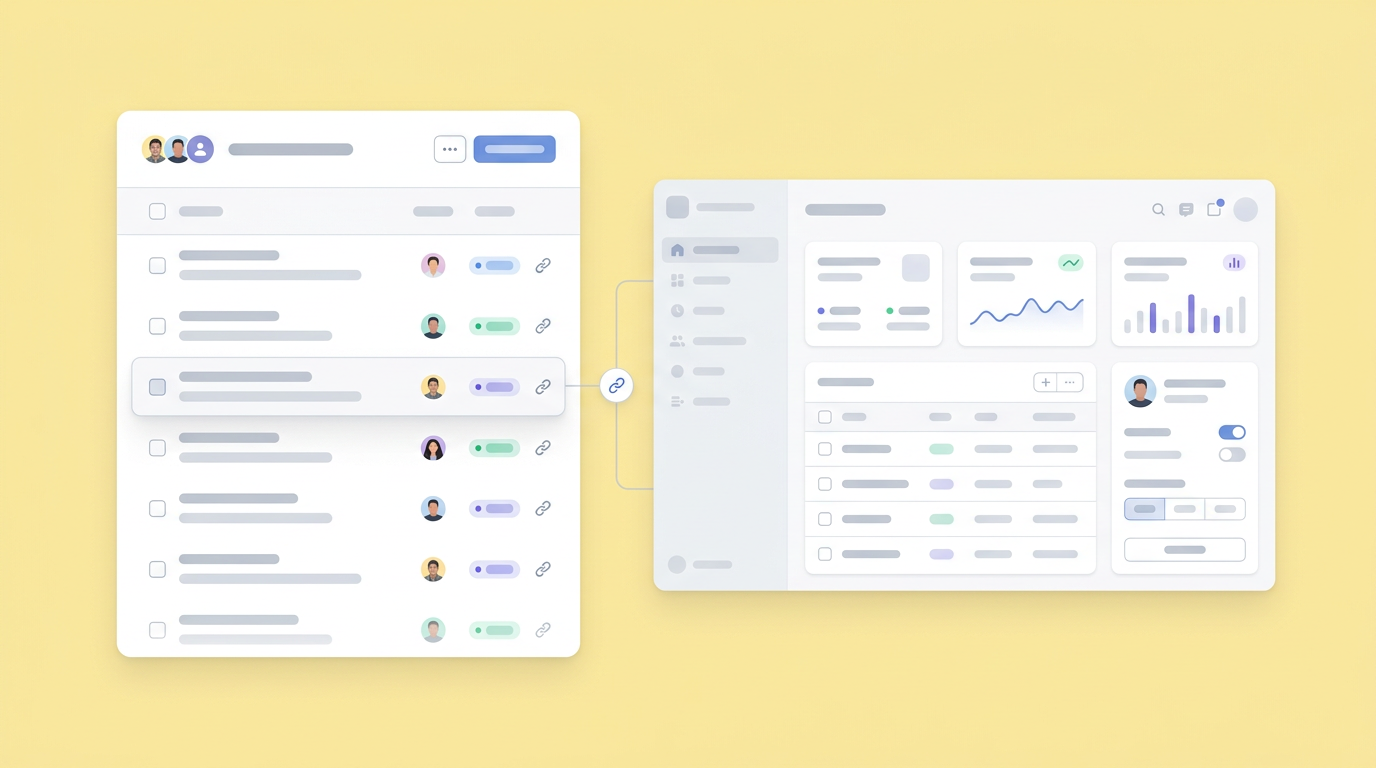
Connecting your written requirements directly to testable artifacts ensures that user feedback shapes the final specification. Building interactive models early allows teams to validate their assumptions before committing to expensive production code.
Testing Assumptions Early
Validating technical and user experience assumptions through rapid modeling prevents teams from building features users ignore. Early testing loops expose flaws in the product logic long before engineers begin architecting the backend systems.
Connecting ideas to output quickly defines the modern product management discipline. Remove this sentence as the claim is unverifiable. Teams use these environments to translate written specs into interactive models instantly. By seeing real interactions early, you can validate your initial hypothesis without waiting weeks for design resources. The resulting feedback loop clarifies your documentation by highlighting exact interaction flaws.
Multimodal Documentation Trends
Blending written logic, embedded media, and interactive components represents the current standard for communicating product vision. Relying on a single medium forces stakeholders to guess how different aspects of a feature interact.
Recent 2026 technical documentation trends point to multimodal content as a standard expectation for engineering teams. Modern builders require text, API constraints, visuals, and interactive elements living side-by-side in their reference materials. Hardware and software convergence also drives this need, as teams document physical constraints alongside digital interfaces.
We constantly observe how blending these formats reduces the volume of clarification meetings between product and engineering. Your requirements document must evolve into an engaging workspace rather than a static reading assignment.
Reimagining the Planning Workflow
Success in product planning requires moving beyond isolated text editors and fragmented task boards. Combining your logical constraints with visual explorations creates a protective barrier against miscommunication and scope creep.
Teams that excel at executing complex software initiatives treat their documentation as an active, evolving environment. They integrate:
- visual benchmarks
- clarify edge cases with rapid prototypes
- maintain constant alignment across technical disciplines
Creating a product requirements document is no longer about writing exhaustively; it is about communicating intent accurately. When you bring your ideas into Dazl, you gain a partner that helps translate those early written requirements into hand-off ready prototypes. Your specifications become living artifacts that shorten your path to production and keep your team aligned at every step.
You and your team can simplify this process by joining Dazl to start building interactive, prototype-driven product requirements documents today.
Get Started