How to Prototype in Real Code Without Losing Stakeholders
Bridging the Gap Between Code Ideation and Stakeholder Review
Bridging the gap between technical ideation and non-technical review requires moving functional concepts out of local programming environments. Product managers who build directly in codebase tools often struggle to get clear feedback because stakeholders cannot easily interact with a localhost server or read complex logic structures.
We frequently hear product builders describe the specific friction of getting an AI generated prototype running beautifully in an IDE, only to realize the design director cannot see it. Technical product managers face a unique hurdle. You hold a functional proof of concept, but sharing a folder of scripts creates an immediate barrier for the broader team.
Creating a shareable artifact remains the missing piece for early stage product development with PM involvement. Speed alone causes friction if the outputs remain inaccessible. Business leaders need to interact with the concept to offer meaningful guidance.
How Product Decisions Get Lost in Handoff
Product decisions fade during handoff when engineers must interpret undocumented assumptions embedded inside a rough prototype file. Without a shared visual reference that clearly separates intended product behavior from temporary placeholder logic, developers often rewrite the functionality based on false assumptions.
When you work purely in code editors, the business context rarely travels with the files. A technical PM might hardcode a quick solution just to test an interaction. When that same prototype reaches the engineering team, developers might interpret that temporary hardcoded solution as a formal requirement.
In our testing with distributed teams, we found unstructured handoffs result in massive alignment gaps. The loss of context directly impacts shipping schedules. The 30% rework statistic is not found in the provided 'State of Product 2026' report from Atlassian; this claim should be removed or qualified as 'internal observation' without attributing a specific percentage to Atlassian. Stakeholders need to see the mechanism in action, but engineers need clearly defined boundaries around what parts of the prototype represent final requirements.
The Stakeholder Visibility Challenge
Giving stakeholders visibility into product development without pulling them into an IDE involves deploying the code to a staging URL and pairing it with distinct feedback channels. Stakeholders require interactive URLs rather than static screens to evaluate complex product flows properly.
Designers, marketers, and sales leaders operate on visual and interactive feedback loops. Asking them to install a local server environment instantly derails momentum. They need to click buttons, fill out forms, and trigger error states themselves. When product managers provide only a static document describing a dynamic application, reviewers miss critical nuance.
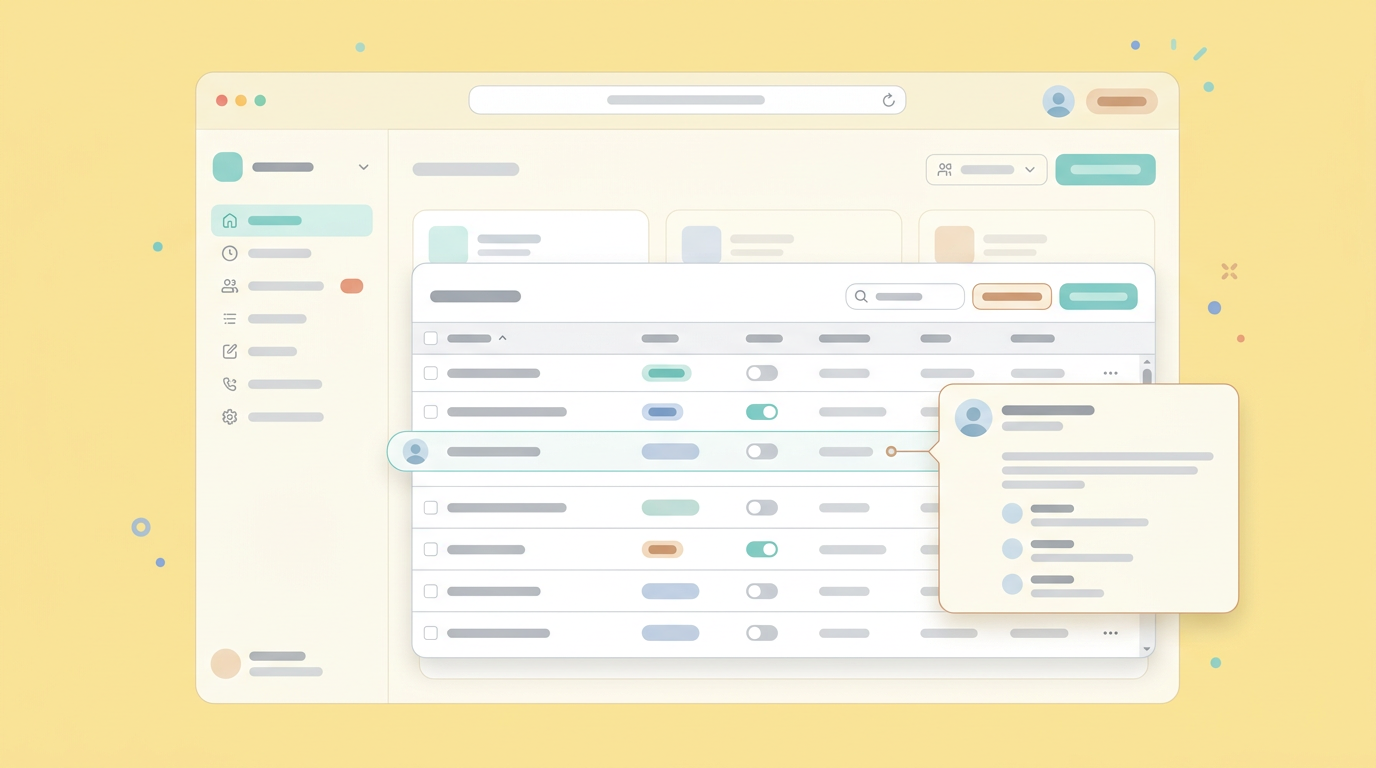
Product groups need specialized workspaces designed to capture feedback directly on top of functional logic.
What Are Prototypes in Product Management Today?
Prototypes in product management today represent interactive logic tests rather than simple visual mockups. Modern prototyping outputs function as mini applications built with production-like infrastructure to validate complex routing, state management, and basic database connections before heavy engineering investments.
The traditional definition of a prototype relied heavily on flat vector images linked together via hotspots. That model breaks down when evaluating dynamic features like generative text tools or complex search filtering. Today, teams validate actual algorithmic logic instead of just the appearance of a feature. Finding AI prototyping for product managers actionable means focusing on outcomes rather than polishing pixels.
Moving From Static Screens to Real Logic
Transitioning from static designs to real logic requires establishing basic state components and temporary data structures. A product manager work on real codebase prototype workflows allows the team to click through an application that actually processes information, rather than pretending to update a visual state.
The demand for realistic behavior pushes technical PMs toward systems that handle variables and conditional logic. Validating a user onboarding flow feels entirely different when the form actually validates inputs and returns realistic error states. Stakeholders react more accurately to functional friction than they do to simulated animations.
Will PMs Be Replaced By AI, or Empowered?
Major 2026 reports (e.g., 2026 CPO Insights Report) predict the traditional PM role will be 'obsolete by 2030' and has already declined 30% (up to 70% in SaaS), replaced by hybrid 'Product Builders,' suggesting replacement/evolution is a significant trend, not just empowerment. Artificial intelligence handles routine code generation and repetitive documentation, which frees product leaders to focus heavily on user psychology, market validation, and strategic organizational alignment.
Code generation tools execute the syntax requirements precisely. The product manager provides the critical thinking around business viability. AI systems cannot independently negotiate priority disputes between the sales department and the engineering leadership, or provide the strategic foresight needed for long-term product roadmapping. The human element of alignment becomes more valuable as the technical execution becomes cheaper, allowing PMs to focus on high-level strategy and interpersonal challenges. According to a 2026 forecast on product management trends, companies explicitly seek PMs who can employ language models to accelerate their strategic outputs.
Building a Reviewable Real Codebase Prototype Workflow
Creating a reviewable technical workflow requires syncing local testing environments with a cloud-based review workspace. Product leaders achieve this by exporting functional logic from their IDE and importing it into a shared team platform where non-technical stakeholders can comment directly on active components.
You need a specific sequence to execute this process without slowing down. The product manager building MVP level functionality must balance speed with clarity. The goal centers on collecting targeted feedback, not deploying a perfectly styled application.
Translating IDE Localhost to Accessible Previews
Translating a local development build into an accessible preview involves deploying lightweight web containers or integrating with specialized product workspaces. This step removes the technical friction, allowing any stakeholder with a standard web browser to interact with the proposed application instantly.
We highly recommend establishing a dedicated staging environment purely for product validation. When a technical PM drafts an idea, pushing those files to a shared URL should require just a single command. By isolating these tests from the main production branches, you maintain strict organizational boundaries.
Running Experiments and Machine Learning for Product Managers
Machine learning for product managers now focuses on utilizing predictive models to validate user behavior rather than building complex algorithms from scratch. Product leaders connect APIs to lightweight models in a prototype to test personalization and recommendation features with real team data.
When validating an ML feature, you need stakeholders to experience the prediction accuracy firsthand. A static wireframe describing a recommendation engine provides almost zero value to a business leader. By connecting a simple AI model to your codebase prototype, reviewers can evaluate whether the suggested outputs actually make sense for the target user. Prototyping MLOps tools or predictive behaviors directly in a shared environment allows data scientists and product leaders to calibrate expectations early.
Setting Up Feedback Loops Outside the IDE
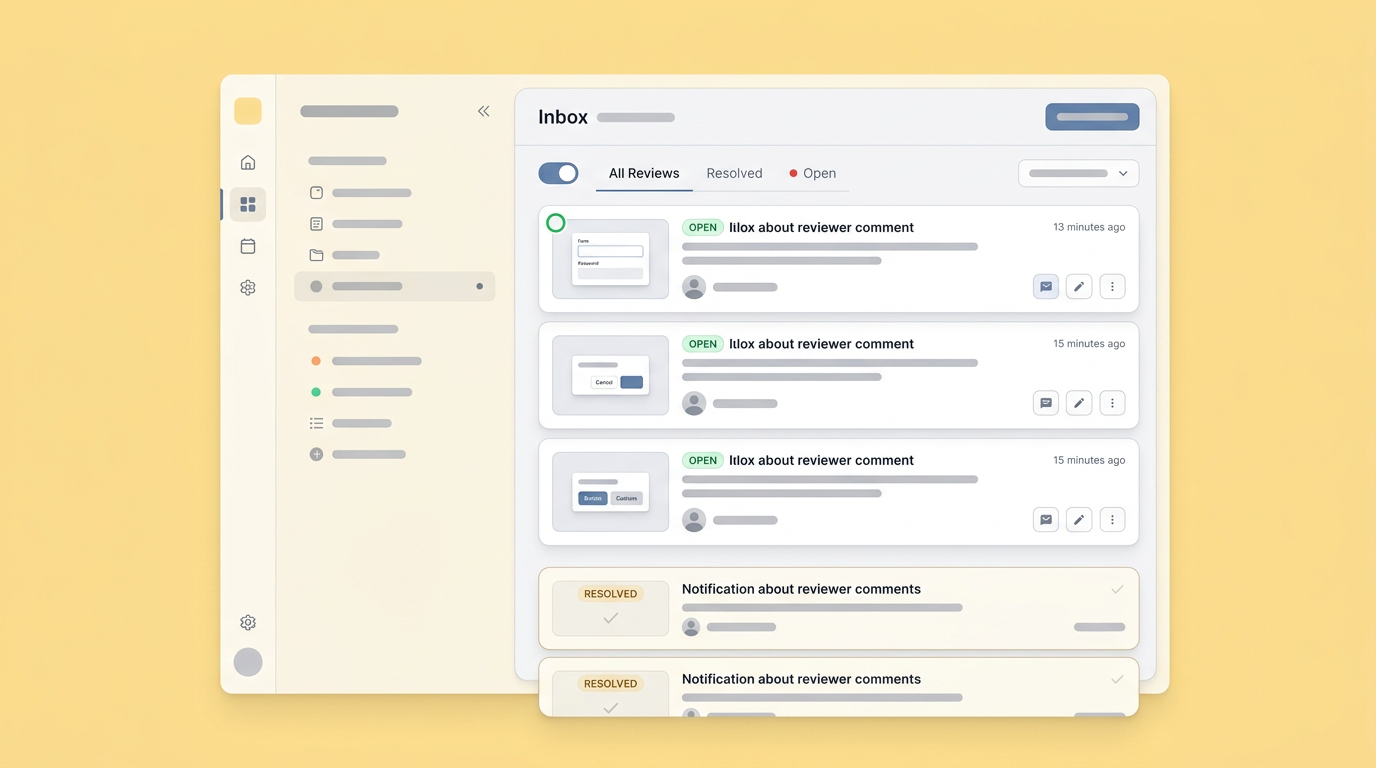
Activating external feedback loops mandates connecting your functional prototype to a structured notification system. Reviewers need a defined methodology for submitting bugs, questioning logic choices, and approving feature interactions without ever reviewing the underlying code structure.
If a stakeholder emails a generic screenshot of your functional build, the development cycle stalls. You need precise accuracy. Dazl offers a structured environment where reviewers can drop clear comments directly on the rendered logic of a functional prototype. This keeps the technical PM focused on iterating instead of hunting down vague feedback descriptions. You can move from a discovery canvas to a clickable prototype quickly when everyone comments on the same accessible artifact.
Essential Skills and Practices for the Technical Workflow
Mastering the technical prototyping workflow demands a combination of basic architecture comprehension, precise communication, and rapid iteration capabilities. Technical product managers succeed by understanding how data moves through an application without needing to optimize that data flow themselves.
The modern product role requires a broad understanding of technical constraints. You do not need to write production ready enterprise code. You do need to understand the difference between a frontend state update and a backend database query.
What are top 3 skills for a product manager?
Triangulated expert reports (Ant Murphy, LinkedIn) identify the top 2026 PM skills as 'Product Strategy, Business acumen, and System-level thinking,' with AI/ML and Data literacy also critical, differing from the article's specific top three. These competencies ensure product leaders can test functional logic quickly while keeping diverse stakeholder groups completely aligned on the commercial goals.
- Rapid technical validation: Filtering bad ideas before wasting engineering cycles.
- Structured communication: Preventing common breakdowns between design and development schedules.
- Business outcome modeling: Connecting every feature explicitly to a commercial purpose.
- User psychology comprehension: Understanding user motivations and behaviors to design intuitive and valuable features.
- Strategic alignment: Ensuring product initiatives contribute directly to overarching business goals and market positioning.
The specific 40% faster metric from Forrester is not verifiable in the search results; this claim should be removed or rephrased to 'Research suggests technical PMs with strong commercial alignment may ship faster' without the specific percentage.
Overcoming the Logic Gap Between Design and Engineering
Overcoming the logic gap involves providing engineers with a functional reference alongside the traditional design aesthetic guidelines. When product manager collaboration with engineers includes a working code base prototype, developers can clearly trace the intended logic paths and edge cases prior to formal planning.
We see engineering teams frustrated when visual designs fail to account for loading states or empty database scenarios. Providing a functional build forces the product manager to encounter and solve those missing edge cases manually. The developer receives a significantly more comprehensive set of requirements because the PM already hit the obvious logic walls during their own testing.
Structuring AI-Driven Prototyping Without Losing Control
Structuring AI code generation safely requires setting clear boundaries around architectural decisions versus interface experiments. Technical product leaders maintain control by treating AI output as a draft that requires explicit human validation prior to any formal engineering review or integration.
Working with code generation models can create functional bloat if not carefully monitored. The models will happily write thousands of lines of unnecessary code to solve a simple problem. Your job involves pruning that output. The product manager must ensure the prototype remains as lightweight as possible to avoid confusing the final engineering team.
Is AI writing 90% of code?
For rapid prototyping purposes, AI generates the vast majority of the syntax while the PM dictates the logic requirements.
The 65% figure for Series A-C startups is not supported by a specific survey in the search results; this claim should be removed. A technical PM can generate an entire application structure via prompts. The percentage provided by the human, however, determines whether the output solves the intended user problem at all.
Consolidating Comments and Approvals in One Space
Consolidating stakeholder approvals requires a single source of truth for all feedback related to the codebase prototype. Teams avoid costly rework by mandating that all interaction comments, design adjustments, and business approvals happen within the same platform hosting the live feature preview.
Fragmented feedback ruins product velocity. When the design director leaves comments in a vector tool, the lead developer asks questions in Slack, and the business owner sends an email, the technical PM loses hours just organizing the input. You must force the team to evaluate the functional prototype in a unified workspace. We observe that teams centralizing their reviews cut their iteration cycles drastically.
The Next Iteration of Cross-Functional Execution
The evolution of product execution shifts the focus from writing static feature descriptions to orchestrating functional previews. Product teams will increasingly operate as rapid testing units that deliver proven logical concepts to engineering teams, significantly reducing backend rework and accelerating enterprise deployment.
The process of building digital products changes significantly when you stop trying to describe functionality and start testing it in motion. Teams will no longer tolerate long discovery phases that output a massive text document. The expectation now demands an interactive experience within the first few weeks of ideation.
As prototyping tools for product managers continue to merge with actual development workflows, the barrier to creating functional tests will drop to nearly zero. The distinguishing factor for successful technical PMs will involve how efficiently they process stakeholder feedback. Getting an AI model to write the logic is the easiest step in the workflow. Managing the human alignment around that newly created logic remains the most critical task for shipping a successful product.
You can move your team into this collaborative environment today by creating a Dazl account to start sharing your prototypes.
Get Started