7 Essential Elements of a Modern PRD in Project Management
According to Pumble's 2026 workplace communication statistics, 86% of employees and executives cite lack of effective collaboration and communication as a main cause of workplace failures. When product managers hand over fragmented ideas, engineering teams build the wrong things. By outlining exact expectations, a well-structured product requirements document directly solves this common alignment gap.
In our testing of different documentation formats, moving from unstructured feature lists to standardized requirement artifacts significantly reduces friction during the sprint lifecycle.
## Purpose of a PRD
The primary purpose of a PRD centers on aligning stakeholders around the exact capabilities and user flows a new feature requires. This documentation ensures every product designer, engineer, and marketer understands the precise outcome the software must deliver before any actual code gets written or deployed.
A comprehensive product requirements document clearly communicates immediate organizational user needs. According to Atlassian, this artifact formally defines the underlying purpose, expected core features, and intended behavior of a released product. This documentation also prevents costly rework, Industry studies, such as Boehm's cost of change curve, indicate that fixing requirements errors late in development can be significantly more expensive (up to 100x in some models). Establishing this central truth prevents overlapping departmental efforts.
Defining What, Not How
A product requirements document strictly outlines the core user requirements and direct business objectives, leaving the actual technical implementation strategies directly up to engineering leads. Product managers focus entirely on defining the active problem space and resulting feature capabilities without dictating backend application architecture.
By separating the user experience definition from the underlying technical execution, teams maintain absolute role clarity. Engineers retain the required freedom to select the best possible database structures, while product managers maintain strict authority over the final feature functionality.
PRD vs User Stories
While a comprehensive PRD covers the entire scope of a feature or full product release, individual user stories break those broad requirements down into actionable daily development tasks. Product managers use PRDs for strategic team alignment and user stories for tracking granular daily sprint execution.
While compiling requirements, teams generally follow a specific breakdown hierarchy encompassing the main requirement document, individual epics, user stories, and engineering tasks. The main requirement document establishes the complete macro vision and total feature scope boundaries. Individual epics group related major interactions under a specific shared release capability. User stories give granular daily instructions to individual assigned software developers. Engineering tasks, finally, track specific backend deployment and distinct quality assurance activities.
7 Key Components of a PRD
A modern requirements document demands specific structural components to function effectively, bridging the gap between strategic business goals, actual user workflows, and explicit functional requirements. These organized sections transform vague internal feature requests into an actionable, tested blueprint that guides the entire software development lifecycle.
Including every key component of a PRD guarantees that technical stakeholders review all necessary contextual background before beginning their sprint. These seven components structure the actual requirements logically.
1. Strategic Context and Goals
Every product requirements file must start by documenting the specific business metrics and actual user friction points the current feature explicitly addresses. Outlining this strategic context ensures that engineering and design teams understand the exact commercial impact their upcoming work will generate for the broader organization.
Attaching baseline metrics to the exact problem statement gives the team a solid anchor point. If developers understand the underlying business objective, they can suggest significantly better technical approaches during the early planning phases.
2. Target User Personas
Explicitly defining who will actively use the feature allows product teams to map empathy directly to known and verified user pain points. Tracking these core personas ensures every subsequent development decision optimizes the application experience for the real target audience rather than a hypothetical generic user.
Product managers must articulate exactly which specific tier of active users will actually encounter the new functionality. Documenting specific daily operational challenges helps assigned designers create perfectly tailored visual layouts.
3. Functional Requirements
The functional requirements section details exactly how the product should behave from the paying customer's perspective, carefully mapping out specific expected interactions and potential failure states. Documenting these interactions provides the exact strict boundaries required for software quality assurance testing and final engineering deployment sign-off.
This operational section demands absolute precision from the assigned product manager writing the document. Ambiguous language found here frequently directly results in mismatched technical expectations and severely delayed feature delivery timelines.
4. Scope and Exclusions
Documenting exactly what the team will actively skip building provides equally important context compared to strictly defining the active core feature set. Explicitly stating out-of-scope technical items prevents creeping application bloat and keeps cross-functional teams focused purely on hitting immediate required feature release goals.
When we watch cross-functional teams review initial feature drafts, explicit exclusion lists often save massive amounts of unnecessary debate. Explicitly removing future iterative improvements from the required initial version guarantees that developers can successfully ship the baseline product.
5. Interactive Prototypes
Static written text frequently fails to convey highly complex user interface flows, making interactive visual prototypes an absolutely essential part of documenting robust modern requirements. Embedding clickable application views directly into the actual requirements document accelerates team comprehension and prevents costly misunderstandings during the sensitive engineering handoff.
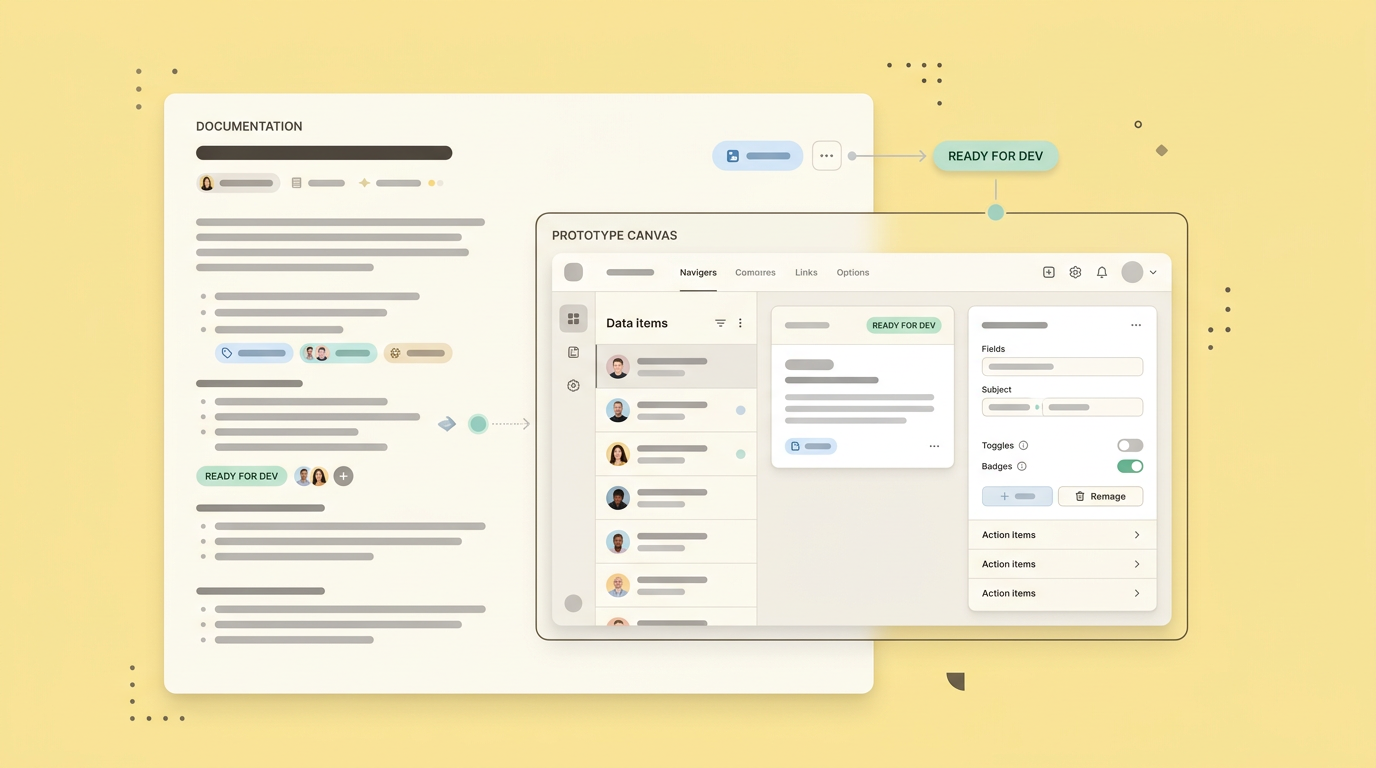
Text alone often leaves vast open spaces for potentially dangerous technical interpretation during active builds. Adding visual artifacts clarifies exactly what the specified functional requirements mean in practice.
6. Success Metrics
Defining clear and measurable quantitative outcomes ensures the product team can objectively evaluate the new feature's performance immediately following the public launch. Product managers must list specific analytics tracking events, target conversion thresholds, or platform adoption goals that indicate whether the release successfully solved the documented target problem.
If the technical requirements lack a dedicated measurement plan, evaluating the underlying return on engineering investment becomes entirely impossible. Teams must track the exact quantitative changes the deployed functionality actively drives inside the actual production environment.
7. Technical Assumptions
Listing known backend system constraints, external API data dependencies, and current active platform limitations clarifies the working development environment for all assigned engineers. Documenting these specific technical boundaries during the planning phase prevents unexpected architectural surprises that frequently delay planned project timelines mid-sprint.
Developers rely heavily on these stated boundaries to accurately heavily estimate their upcoming sprint capacity. Clear contextual boundaries directly protect the entire functional team from committing to impossible timeline expectations.
Who Usually Writes a PRD?
The primary assigned product manager typically assumes final responsibility for writing the core product requirements document, acting as the central organizational hub for gathering broad departmental input. This person effectively synthesizes competing feedback from customer success, visual design, and software engineering teams into a single cohesive artifact.
While the designated product leader types the majority of the actual file formatting, the output constantly relies on heavy cross-departmental collaboration. Gathering broad diverse input drastically prevents massive glaring operational blind spots.
Taking Ownership of the Artifact
The lead product manager drafts the very first initial version of the core PRD to establish the foundational product vision and baseline feature expectations. They then actively maintain this critical document throughout the active product cycle, carefully updating specific functional requirements as new technical constraints emerge from engineering reviews.
This active ownership requires constant deliberate iteration directly based on newly uncovered information. The main product driver ensures that all completely modified technical assumptions immediately reflect inside the primary requirement source.
Gathering Cross-Functional Context
While product managers securely hold the typing pen, truly successful requirements documentation demands continuous critical input from every single member of the active product squad. Assigned engineers review the documented functional requirements for backend technical feasibility, while user experience designers ensure the proposed application functionality correctly aligns with established patterns.
Our own internal feedback cycles indicate that seeking very early cross-departmental alignment drastically reduces costly technical rebuilds. Industry research indicates that fixing design errors late in development can be significantly more expensive than addressing them early.
Adopting a PRD Template for Project Management
Standardizing your internal PRD template project management framework effectively guarantees that busy product teams capture every single necessary feature requirement consistently across completely different product initiatives. Proven document templates remove the daily mental friction of formatting text, allowing technical product managers to focus entirely on defining the actual user problems.
Perforce actively notes that deploying high structural consistency in operational documentation visibly reduces baseline onboarding time for new functional team members. Consistent structural formatting forces absolute clarity.
Standardizing Your Document Architecture
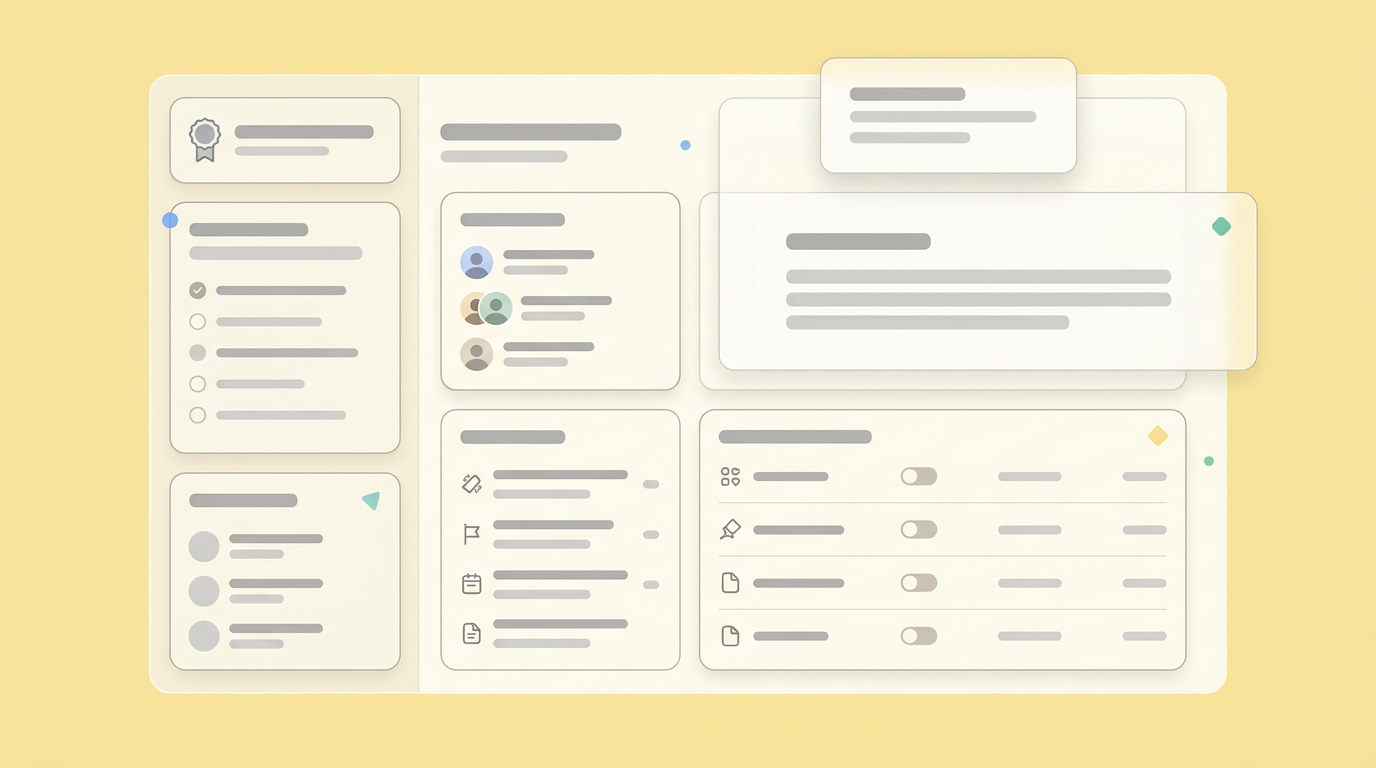
Consistently formatted requirement templates completely help busy cross-functional stakeholders find highly critical specific information quickly without reading through the entire massive text document. A standard organizational structure guarantees that primary business metrics, strictly defined component scope, and target user definitions always appear in the exact same expected visual locations.
Your standardized company requirement structure should reliably include a clear functional document history and current active approval status. It should also outline the baseline operational problem statement and macro strategic alignment. Furthermore, it needs to detail highly detailed daily user functional application journeys and exact primary key quantitative performance indicators.
Managing Shifting Contexts
Modern project requirements files rarely live as completely static offline text documents anymore in highly effective product squads. Leading product teams favor using fully collaborative, shared cloud-based workspaces where engineers can comment directly on specific functional requirements and product designers can directly link their very latest user interface visual explorations.
You can view details on entirely escaping rigid offline documentation in our review of Evaluating 2026 Design Handoff Workflows.
How Long Should a PRD Be?
A focused product requirements document must remain exactly as long as strictly necessary to convey the required technical information, typically ranging from one to slightly over four printed pages. Short, highly focused requirement documents actively prevent busy stakeholders from skimming text and ensure engineering teams actually read the critical expectations.
The highly outdated era of the massive thirty-page initial requirement specification has entirely passed for modern agile operational units. Maintaining extreme document brevity actively drives significantly better team engagement.
Trimming Excess Context
Experienced product managers actively trim unnecessary internal background information to maintain a highly strict document focus on immediately actionable baseline development requirements. Clear organizational bullet points, concise straightforward professional language, and easily inserted embedded visual models help cross-functional readers process critical information much faster than massive dense paragraphs of explanatory text.
Stakeholders completely ignore deeply buried technical requirements hidden inside massive walls of descriptive background text. By ruthlessly aggressively editing initial requirement outlines, functional product leaders directly ensure high priority information absolutely receives appropriate immediate internal attention.
Adapting to Agile Feedback
The core requirements file legally evolves continually as active product designers and primary assigned engineers carefully review the initial working draft and provide vital technical feasibility feedback. Treating the gathered core requirements file as an actively curated living artifact prevents the active software project from permanently stalling due to completely outdated or rigidly fixed initial technical assumptions.
Strictly rigid locked requirements heavily actively damage modern agile delivery speed targets. Product leaders intentionally leave minor technical execution details slightly flexible to immediately accommodate smart engineering discoveries heavily uncovered during the active backend platform build.
Moving Requirements Forward in 2026
The critical final transition from a fully written required product requirements document directly to a successfully shipped active customer feature defines any product manager's absolute ultimate core success. Achieving this involves:
- Pairing highly clear written technical requirements
- Utilizing rapid and testable interactive visual prototypes
- Delivering visibly better core user experiences with significantly less costly ongoing engineering rework
By instantly mapping out the stated core purpose of a PRD inside a visual environment, teams stay aggressively aligned over exact outcomes. Review our methodology on Validating Product Ideas in 2026: From Market Feedback to Interactive Prototypes to completely see how incorporating visual context prevents misinterpretation and directly shortens the entire path to a successful production launch.
Your team can bring these seven essential elements to life by signing up for Dazl to centralize your product requirements.
Get Started