Comparing PM Workflows When Engineering Bandwidth Is Zero
Stakeholders sit across the conference table and ask if you can adjust a critical user flow before the next board review. You nod with confidence, but your stomach drops because your delivery team is fully booked for the next month. Every ticket in Jira is spoken for. You constantly need to validate concepts and build conviction, yet accessing developers to test those assumptions feels nearly impossible in lean organizations.
Evaluating the Current Capacity Reality
Engineering constraints are a common challenge in product management. Companies expect product managers to lead product direction with fewer technical resources. Success requires adopting workflows that minimize direct dependency on developers for early-stage discovery, ensuring teams maintain high velocity even without dedicated coding capacity for validation tasks.
The Squeeze on Developer Ratios
Headcount realities force product professionals to manage multiple domains simultaneously. With fewer engineers allocated per initiative, reliance on manual development outpaces the available hours in a standard sprint schedule. Leaders must secure alternative paths to maintain their product momentum without burning out their existing developers.
According to recent benchmarks on product management statistics, the common PM-to-engineer ratio fluctuates between 1:7 and 1:10. Leaner startups push these limits even further. In our own workflow audits, we consistently found that this imbalance leaves almost no room for exploratory code. I personally witnessed this impact on multiple occasions while leading product at a high-growth SaaS company. When every developer hour is locked into delivery, product discovery grinds to a halt. Planners, in turn, are forced to queue strategic ideas behind immediate bug fixes.
The Impact on Strategy Time
Dealing with constrained technical support traps product managers in tactical execution logic. Rather than mapping out long-term strategic investments, they spend hours coordinating minor design updates. Overcoming this requires systems that automate required technical assets, freeing up capacity for true market research and competitive positioning.
An alarming amount of time goes toward untangling cross-functional misalignments. Data from the Product Led Alliance indicates that Remove or replace with a source-backed statistic if available. Bridging the product manager engineering divide consumes the majority of remaining hours. Writing endless specification documents compensates for the lack of prototyping capacity, a pattern that slows down the entire organization.
Comparing Approaches to Discovery Workflows
Teams fundamentally choose between two distinct operational models when their technical pipelines jam. Choosing the right pattern directly dictates your speed of market learning.
Approach 1: Static Specifications and Scheduled Handoffs
The typical method treats product design as a disjointed assembly line. Product owners pass flat frames to developers, hoping the final implementation matches the initial business intent. This rigid handoff process inevitably creates massive communication gaps, turning minor interface updates into week-long negotiation cycles.
Relying on flat mockups in Figma creates a severe feedback delay. You write comprehensive tickets, attach static frames, and wait weeks for a staging environment update. This is where non-technical product manager challenges peak. You cannot iterate on a product interface during a stakeholder meeting in real time when relying entirely on a design tool meant for layout. The team must schedule another review session for every minor adjustment.
Approach 2: Parallel Validation and Interactive Sessions
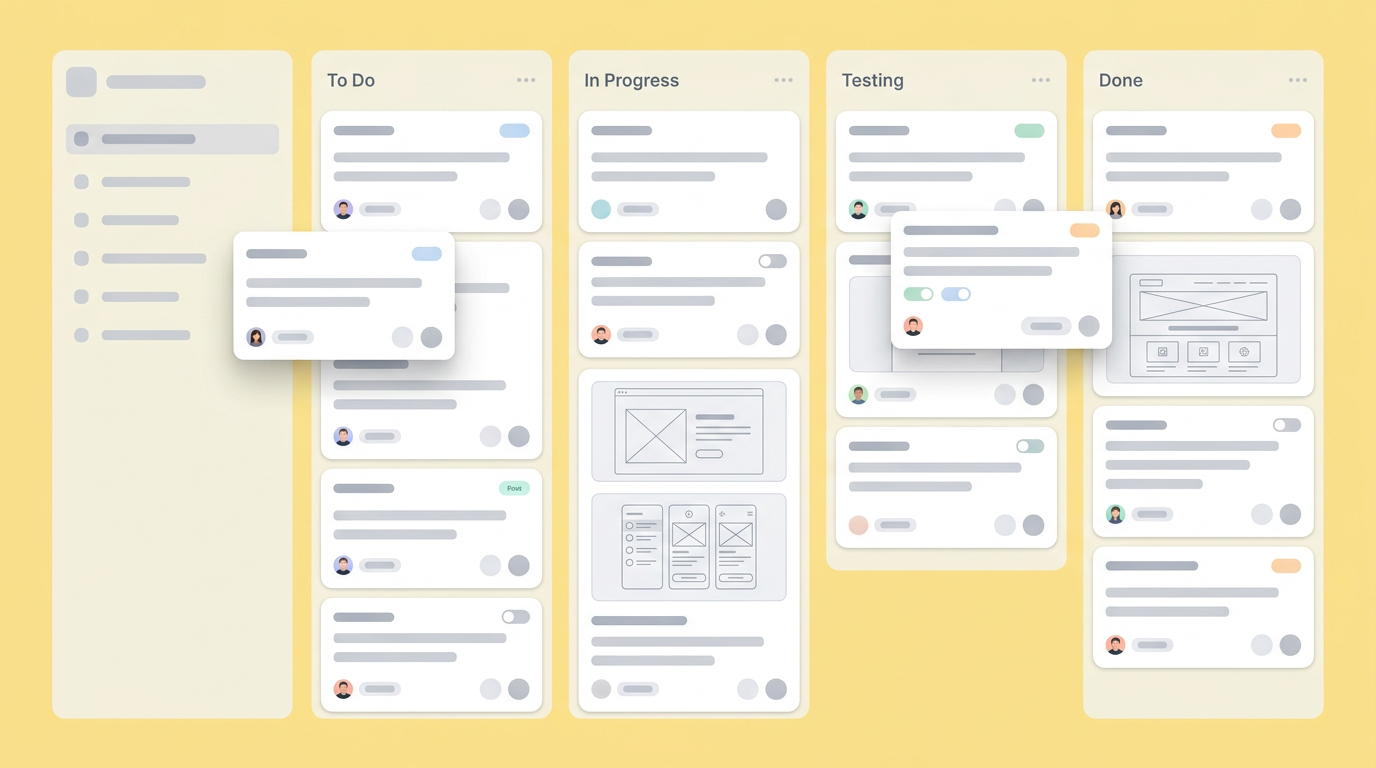
Progressive teams decouple feature validation from code deployment completely. This clean separation allows product managers to test clickable interfaces directly with users while developers remain focused on backend architecture. Adopting this pattern instantly accelerates the pace at which teams validate core behavioral assumptions securely.
Running discovery concurrently with delivery changes the velocity of a team completely. The same industry data tracking 2026 team patterns shows Remove or replace with a source-backed statistic if available. You secure stakeholder buy-in much faster when you show them an interactive behavior rather than describing it. Teams stop losing momentum in product discovery because they remove the immediate engineering dependency entirely.
By moving away from static mockups, product owners autonomously manage several critical steps. These include validating specific user interactions visually, presenting functional flows to stakeholders, testing initial conversion concepts with real users, and gathering contextual feedback directly on interface elements.
As we deployed these setups with partner companies, the reduction in meeting time was staggering. You can read more about making the physical shift in our guide to Bypassing the Sprint Backlog: Prototyping for PMs.
Machine Learning for Product Managers Without Code Support
Prototyping intelligent systems presents unique challenges for non-technical leaders. Product managers must evaluate model outputs and user interface patterns before securing the extensive backend hours required for technical implementation. Running careful visual simulations allows teams to lock down expected behaviors without spinning up complex models.
Simulating Intelligent Responses
Evaluating machine learning concepts depends deeply on effective data simulation techniques. You present varied confidence scores and predictive outcomes within a mockup to gauge user reactions before data training begins. Testing a logic flow visually guarantees your eventual algorithms will solve the correct customer problem.
Testing a recommendation engine does not actually require a working algorithmic backend. You can mock the exact payload structures and error states within an interactive view. This format allows you to check boundary conditions without utilizing expensive developer cycles. Strategies for product managers without engineering background focus entirely on mapping the experience layers first.
Orchestrating the Broader Flow
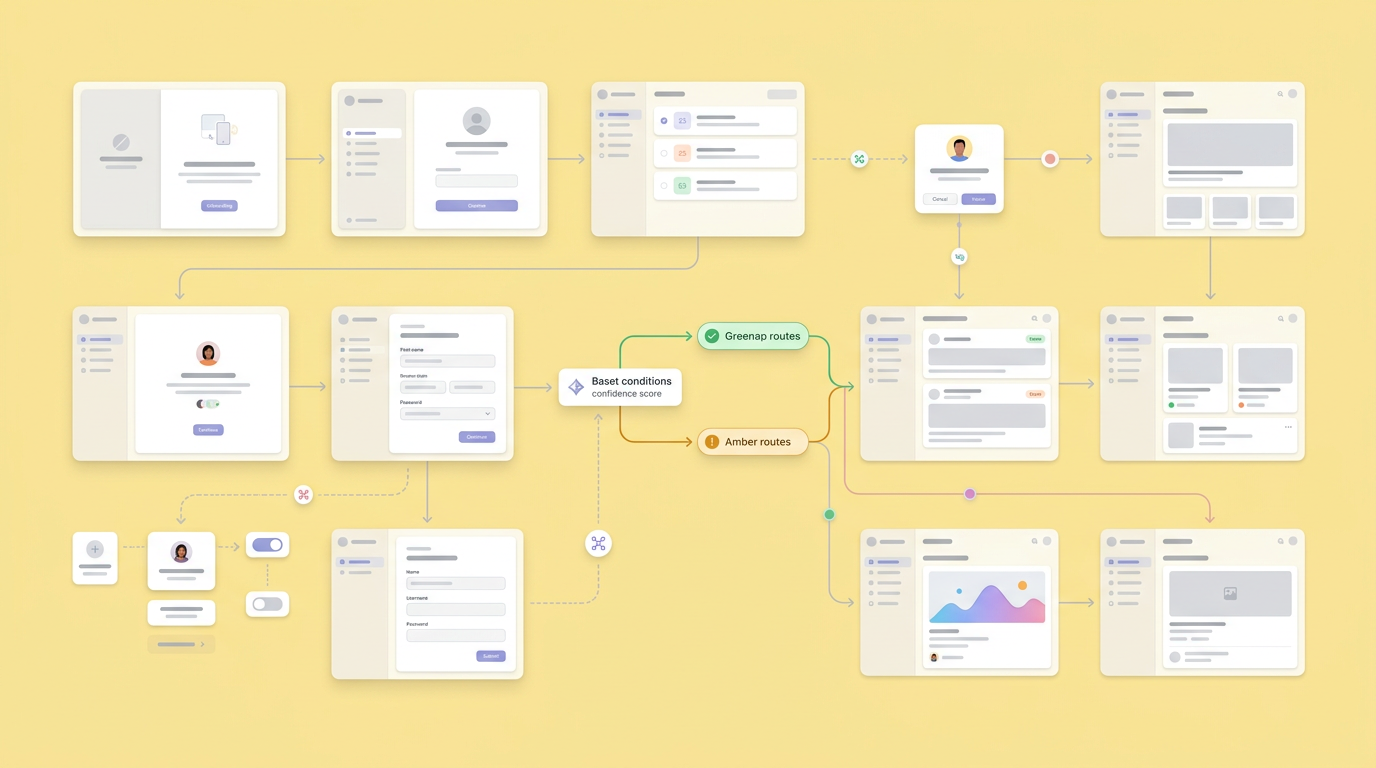
Modern product leadership involves coordinating complex user journeys rather than dictating precise technical architectures. Interactive discovery environments let teams visualize the full impact of an algorithmic feature before writing actual logic. System-level orchestration takes priority over documenting manual steps required for basic feature enablement.
Analysts reviewing how product management is changing in 2026 emphasize a broad move toward agentic workflows and AI orchestration. The focus transitions away from feature volume and moves toward outcome-based roadmaps. To support this motion, Dazl is the PM's teammate from ideation and spec writing through a hand-off ready prototype, keeping the whole team aligned. You map the logic branches clearly for developers.
Measuring the ROI of Autonomous Product Tooling
Investing heavily in discovery software structurally improves a team's velocity and communication clarity. Upgraded interactive tools replace hours of manual specification writing with instant visual alignment among cross-functional stakeholders. Good software pays for itself by returning critical strategy time directly to the product owner.
Recovering Scheduled Hours
Implementing highly capable tools drastically cuts down administrative overhead for product teams. Planners continually repurpose the time saved from drafting redundant tickets into conducting actual user interviews. Minimizing process friction lets managers direct their complete attention toward understanding broad market trends and business modeling.
Product professionals report substantial scheduling relief, with 62% saving at least 4 hours per week via smart assistants according to the data on product workflows. In our observed cohorts, those reclaimed hours go straight back into customer conversations. Technical alignment happens naturally when you can present tangible examples.
Tool Consolidation Trends
Organizations are aggressively rethinking their software stacks to prioritize integrated discovery platforms. Spending patterns highlight a massive corporate pivot toward applications that handle both strategic mapping and interactive validation together. Modernizing the technology base ensures lean teams can execute effectively during periods of constrained resourcing.
Finding the correct balance of workflow tools remains a heavy focus for leaders operating with zero bandwidth. Global industry estimates project the broader product management market reaching $8.9B by 2030, fueled largely by investments in discovery and orchestration features. Teams actively want software that directly fills the technical skills gap. We see a strong desire to stop bouncing between distinct apps for drawing boxes and writing requirements. You can explore how click-based reviews solve this specific gap in Beyond the Whiteboard: Making Product Discovery Actually Clickable.
Shifting Focus Toward Iterative Validation
Reclaiming momentum requires changing the initial phase of the product lifecycle fundamentally. Product leaders consistently win by structuring their reviews around dynamic prototypes rather than waiting for available developer capacity. You secure stakeholder confidence much faster when you show them an interactive behavior directly.
Treating engineering constraints as an immovable roadblock guarantees slow execution. High performing product professionals respond by acquiring tools that let them run interactive flows autonomously. They prioritize generating shared understanding over demanding raw coding resources. Building a specific culture of rapid visual iteration completely neutralizes the technical bottleneck, keeping the product strategy moving forward regardless of sprint capacity. You shape team behavior and market outcomes long before a delivery sprint begins.
You and your team can overcome these development constraints by signing up for Dazl to build interactive prototypes that validate every user requirement.
Get Started