Stopping the Feedback Cascade: Why 30% of Sprint Work is Rework
A VP of Product checks the mid-sprint status report. The engineering team is coding exactly what was specified in the technical brief. Minutes later, the Head of Sales drops a Slack message, listing missing enterprise constraints. The CEO comments on an outdated static mockup linked in a separate email chain, asking for a completely different user journey.
The sprint pauses. The product manager halts feature discovery to reconcile varied opinions originating across five distinct platforms. Managing feedback from multiple sources frequently turns product leaders into aggregators rather than strategists.
The Hidden Tax on Engineering Sprints
Scaling a product organization from a handful of founders to a Series A team of 50 to 200 employees introduces severe communication friction. Building new functionality is often the clearest part of the mandate; interpreting what specific partners actually want proves far more challenging.
Empathy for the Builder's Friction
When you manage a dedicated team of product managers, the volume of stakeholder requests scales linearly, but cross-channel communication conflicts scale geometrically. Teams hit a wall when their tracking systems rely heavily on manual interpretation. The expectation from leadership is high product velocity. Yet, tracking down the explicit reasoning for a design change requested three weeks ago in an untracked comment thread consumes hours of specialized planning time.
This friction highlights the need for more efficient feedback management to maintain product velocity.
Decision Cycles Slow to a Crawl
When stakeholder feedback scattered across tools becomes the operational norm, decision-making velocity plummets. According to a recent enterprise CX analysis, organizations with feedback spread across five or more distinct applications face decision cycles that are 25 to 35 percent longer compared to teams operating out of a unified platform. When input trickles in through chat interfaces, email threads, and disconnected document comments, tracing the origin of a feature request becomes a forensic exercise. Product managers often describe this process as 'wearing a detective hat' to piece together fragmented information. We consistently see product managers spending full afternoons matching vague feature requests from CRM records to technical engineering tickets.
Rework is an Alignment Failure
Late-stage feedback forces development teams to halt progress and rewrite architecture. Rebuilding a feature mid-sprint creates frustration across the entire tech organization. A recent UXPin practices report points out that ad-hoc, siloed feedback practices contribute to rework on 30 to 40 percent of major deliverables. Conversely, when teams consolidate their reviews into a shared repository with clear oversight, rework drops cleanly under 15 percent. Finding out about a critical compliance requirement after the database schema is written represents a structural failure in how information is gathered.
The Static Figma Trap for Non-Technical Reviewers
Part of this misalignment stems directly from the artifacts we use to gather opinions. Static wireframes require a massive imagination gap. Non-technical reviewers often struggle to interpret user flows from disconnected artboards. Because they cannot click through the journey, they leave notes based on incomplete mental models. Managing feedback from multiple sources becomes impossible when the sources themselves fundamentally misunderstand the proposed behavior. To fix this, we need to end the PRD translation trap where static specs fail to convey interactive logic.
Diagnosing the Disconnected Input Loop
Let us look closely at how the architecture of our tracking systems fragments under organizational pressure. Scaling a software product requires formalizing how information flows from the market back to the engineers.
Unmanaged Channels Multiply Fast
In our analysis of mid-market engineering operations, we found that growing organizations routinely collect input from 7 to 12 distinct channels. Account executives log notes in client management software, support teams compile helpdesk reports, marketing runs user surveys, and executives leave comments directly on presentation decks. Integrating stakeholder input from a dozen distinct schemas forces PMs to act as human routers. Nikhil Sen, Head of Product at Zonkafeedback, states the diagnostic reality clearly: "Feedback from surveys, tickets, reviews, chats, and social needs to flow into one system before AI touches it. You can't act on what you can't hear, and you can't see patterns across channels that aren't connected."
Conflicting Input Misses the Context
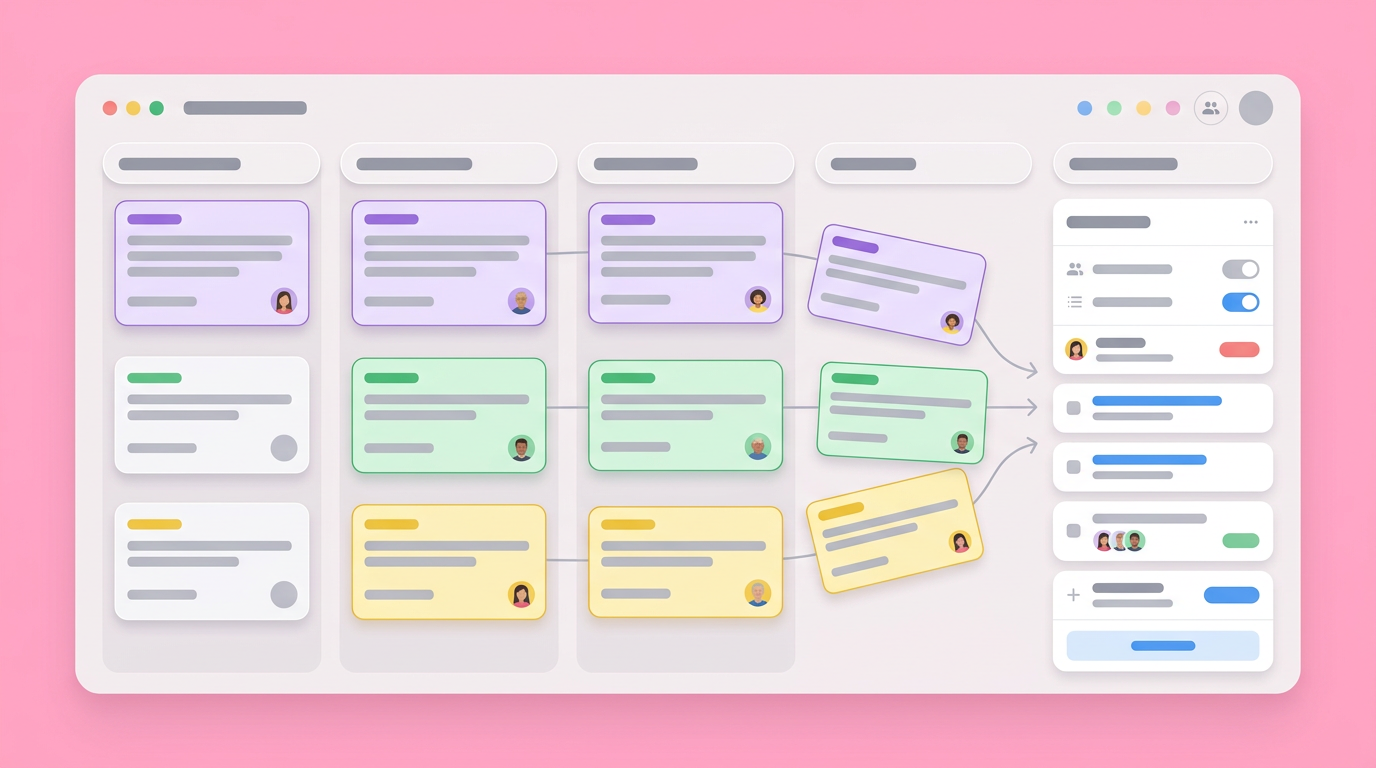
When business requirements live in isolation, reviewers lack visibility into necessary trade-offs. The marketing director asking for a highly simplified onboarding sequence in a standalone document does not see the security officer's comment in the backlog requiring explicit data consent checkboxes. Kate Galbraith, UX Program Lead at UXPin, captures the structural fix: "Keeping channels limited, ideally to just a few, helps centralize input and avoid confusion. Centralize all feedback into a single repository, such as a project management board or a dedicated feedback hub."
The Cost of Playing Detective
Instead of analyzing core user behavior, product managers chase down thread history. They spend valuable hours attempting to verify if a feature request was a passing thought from a single customer call or a critical blocker for an enterprise contract renewal. This disjointed environment limits the capacity for deep product discovery. Exploring core user needs takes a backseat to clerical aggregation, a task many product managers find stifling and inefficient.
The Phantom Feedback Dilemma
Unstructured feedback given in passing often goes entirely undocumented. A hallway conversation or a quick video call note vanishes from the record, only to resurface explosively post-launch when a stakeholder asks why their crucial constraint was ignored. Centralizing feedback into a strict system creates a paper trail, ensuring all parties feel heard while protecting the product team from retroactive scope changes.
Moving Towards Centralized Feedback Management
Consolidating stakeholder feedback requires structural methodology, opening a shared spreadsheet and hoping the entire company updates it regularly.
Unified Stakeholder Identity Over Manual Sorting
True consolidation ties qualitative notes back to a centralized identity framework. Product teams need to know if the distinct user asking for an expanded dashboard export is the exact same enterprise administrator who flagged latency issues last quarter. Persistent identifiers bridge this gap by weaving a holistic story. Sasha Richey, Director of Impact Measurement at Sopact, explains the shift clearly: "Feedback consolidates when every channel writes to the same record for the same stakeholder. Give each stakeholder a persistent ID, and the fragments become one history instead of five disconnected exports."
Connecting the Dots With Actionable Themes
By piping scattered data streams into a single environment, pattern recognition becomes achievable at scale. Research into customer feedback analysis shows that teams organizing their listening channels this way report detecting two to three times more actionable themes than teams examining siloed support tickets in a vacuum. Product alignment relies heavily on these high-level themes to prioritize backlogs effectively.
Defining Core Metrics for Engagement
Organizations taking a systematic approach to input generally track specific operational metrics to gauge alignment health. Measuring participation rates, feedback implementation ratios, response times, and blocker frequencies becomes simple. Scattered data makes it impossible to calculate an accurate implementation rate because the denominator remains unknown. A centralized system provides clear visibility into how many suggestions are actually making it onto the product roadmap.
Escaping the Translation Trap
Clear product requirements cannot rely on ambiguous language. Moving from discovery canvas to clickable prototype ensures everyone grades the actual experience. A written document allows three different stakeholders to envision three entirely different user interfaces. Unifying feedback around interactive models closes this loop permanently.
Redefining How We Gather Institutional Knowledge
How a software organization stores its institutional learnings heavily influences its ability to ship consistently. Operating principles are shifting across the board to address fragmented workflows.
The Shift to Digital Engagement Platforms
The broader governance ecosystem is standardizing its approach to shared knowledge. According to an extensive 2026 Monday.com capabilities guide, more than 60 percent of large-scale initiatives now deploy digital engagement workspaces to house interactions, milestones, and strategic alignments. Establishing a primary hub significantly reduces the mental friction of context switching. Product managers no longer lose their morning momentum cross-referencing five different browser windows.
Adapting to AI-Driven Analysis Hubs
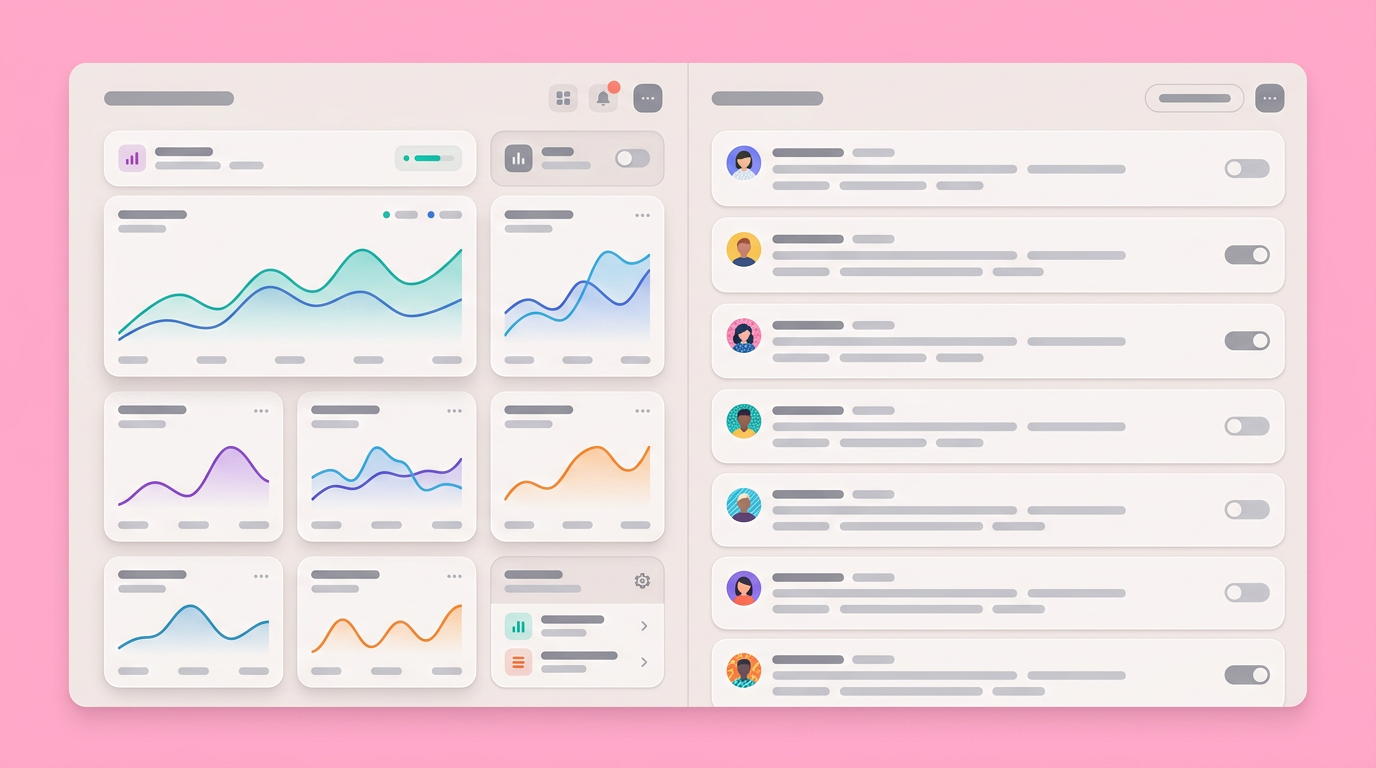
We hear from product leaders in high-growth sectors that conversational interfaces and unified analytics hubs rank among the fastest-growing software categories. In vertical markets such as EdTech, tools designed specifically for complex input analysis pull ahead precisely because they ingest multi-format responses. As generative AI upends traditional knowledge gathering, organizations push for proactive governance models to handle high volumes of unstructured text.
Prototyping as the Ultimate Alignment Tool
Streamlining feedback collection frequently demands upgrading the presented artifact itself. Reviewers deliver vastly more accurate observations when they experience the proposed solution. Using Dazl to generate precise functional experiences positions the product manager to put realistic click-paths in front of the executive suite. Reviewers engage with exact workflows, leaving targeted notes right on the active components. Dazl is the PM's teammate from ideation and spec writing through a hand-off ready prototype, keeping the whole team aligned.
Bringing Engineering Into the Conversation Early
Centralized alignment systems protect the development team's deepest focus blocks. When product leadership manages the debate in a separate, unified environment before writing technical requirements, engineers are spared from the chaos of shifting opinions. Developers receive fully vetted logic validated against edge cases, allowing them to focus entirely on elegant architecture and scalable code.
Shaping the Next Generation of Product Decisions
Product managers are stepping firmly out of the aggregation role to reclaim their strategic mandate. Addressing scattered context demands a firm shift from reactive listening to structured, proactive orchestration. Key steps in this transformation include:
- Defining strict contribution channels: Establishing clear and consistent pathways for feedback.
- Upgrading from disjointed static pictures to explorable representations: Utilizing interactive models and prototypes.
- Establishing an undeniable source of truth: Centralizing all feedback and requirements in a unified system.
By implementing these changes, teams can establish an undeniable source of truth for all product-related information.
The global landscape entering late 2026 demands integrated resilience across technical divisions. Adapting to complex business logic requires clear visibility. As analytical intelligence continues indexing massive multi-modal data sets across enterprises, the underlying value of a clean workspace will multiply rapidly. Future software velocity belongs to the organizations that make cross-functional debate clear, transparent, and securely tied to the actual interactive deliverables being built.
You can stop the documentation sprawl and align your team by joining Dazl to centralize all stakeholder input in one workspace.
Get Started