Technical PMs Are Moving Prototypes to the Real Codebase
Product organizations are experiencing a fundamental shift in how they validate ideas. The traditional sequence of writing a document, handing it to a designer, and waiting weeks for a static mockup is being replaced by functional validation.
Technical product managers are increasingly pushing functional concepts directly into the environments where those products will actually live. They are moving away from isolated, disconnected mockups and choosing to have the product manager work on real codebase prototype assets instead. This mirrors how leading teams at companies like Airbnb and Figma build their early-stage concepts. This shift happens because static assets often fail to capture complex logic, real data states, and actual interaction patterns. When you build within the actual environment, usability testing yields accurate results, as users interact with the actual data flows they will encounter in production.
The Cost of Discarded Temporary Work
Discarding temporary prototypes slows down momentum. A product manager build prototype workflow often ends up creating disposable artifacts that engineers cannot use. When teams build assets purely for visual sign-off, they face a complete rebuild when development begins.
According to an analysis on product development statistics by IdeaPlan, teams that regularly practice prototype testing see 40% fewer post-launch feature pivots. However, that efficiency is lost if the prototype itself takes weeks to rebuild in production. Moving the early validation work closer to the actual repository ensures that the structural decisions survive the transition into development.
The Validation Gap in Static Artifacts
Static screens leave critical questions unanswered. They do not reveal how an interface behaves when an API call fails or when a database query returns zero results. Product managers coding prototype workflows help expose these edge cases early. Dr.
Nicholas Longnecker recently noted in a blog post on the validation gap, "Try building one rough prototype this week. Not for shipping. For learning."
When you rely on flat images, the team defers technical risk until late in the cycle. Building within the actual technical boundaries surfaces those risks on day one. You can identify missing data requirements before assigning tickets to the engineering team.
Making AI a Core Product Team Member
To make AI a real product team member instead of just a code autocomplete, you must integrate it into the entire discovery and definition process. Treating AI merely as a syntax generator limits its potential. The most effective teams use these systems to translate requirements directly into functional logic, connecting the dots between the user story and the working interface. Companies like GitHub and Google are already leveraging AI to bridge this gap, allowing PMs to interact with functional code from initial specs.
A 2025 survey summary on Habr found that 97% of product managers use AI in their work. , 72% report that AI helps them speed up their tasks significantly.
Moving Beyond Basic Code Completion
Basic autocomplete helps developers type faster, but it does not help product managers validate ideas. To elevate the tooling, teams are feeding their business logic, product requirement documents, and user constraints into the prompt context. This approach transforms the assistant into a functional partner that understands the specific problem space.
By grounding the assistant in the actual product context, you get outputs that align with your business goals. For example, Dazl is the PM's teammate from ideation and spec writing through a hand-off ready prototype, keeping the whole team aligned. This contextual awareness ensures the generated output actually addresses the user need rather than just generating boilerplate text.
Maintaining Design System Consistency
AI code suggestions can easily break design system consistency if they generate unconstrained inline styles or hallucinate non-standard components. To fix this, you must anchor the generation process to your specific component library. Provide the tool with documentation covering your approved design tokens, spacing scales, and core interface elements.
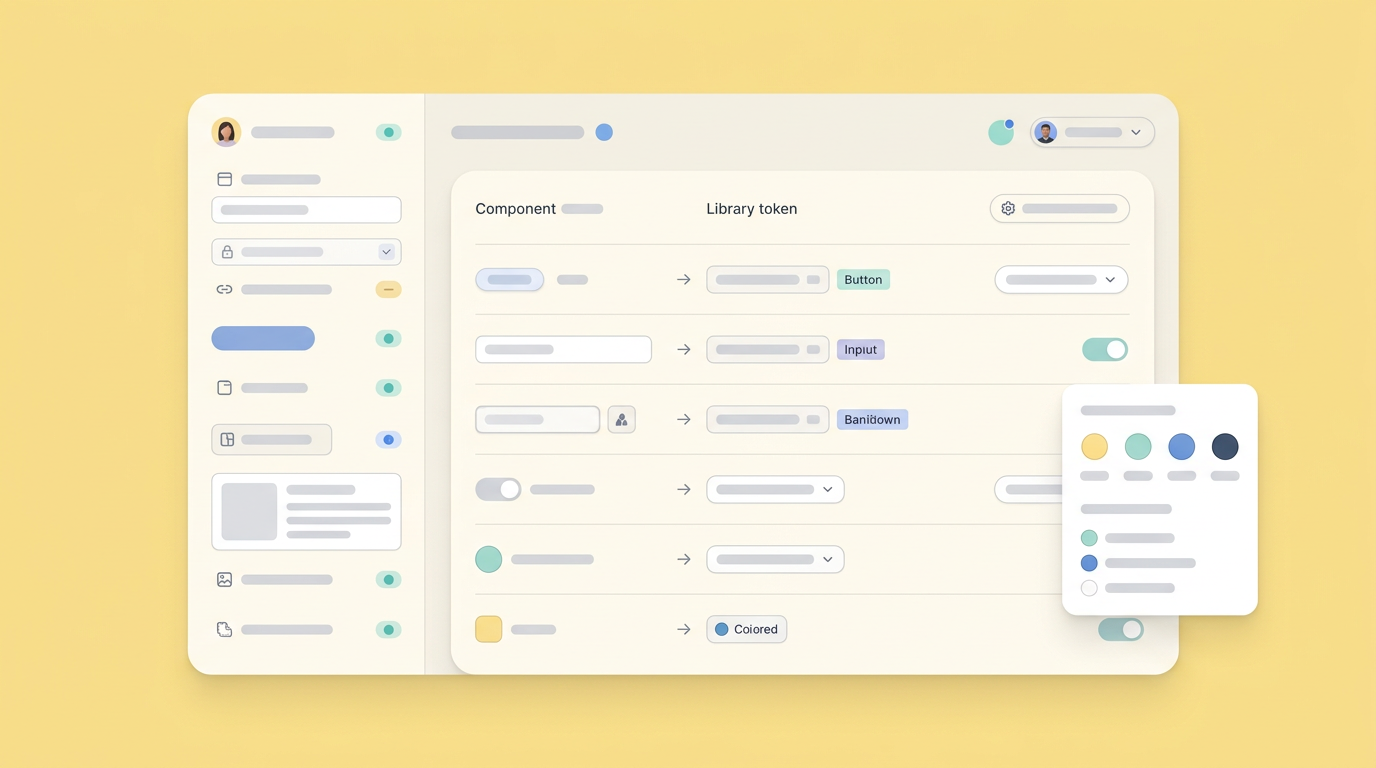
When the assistant understands the exact names of your React or Vue components, it stops inventing new button styles. It begins composing views using the established building blocks of your application. This strict adherence to the existing system ensures the product manager technical prototype looks and feels exactly like the current product.
The New Prototyping Workflow for Technical PMs
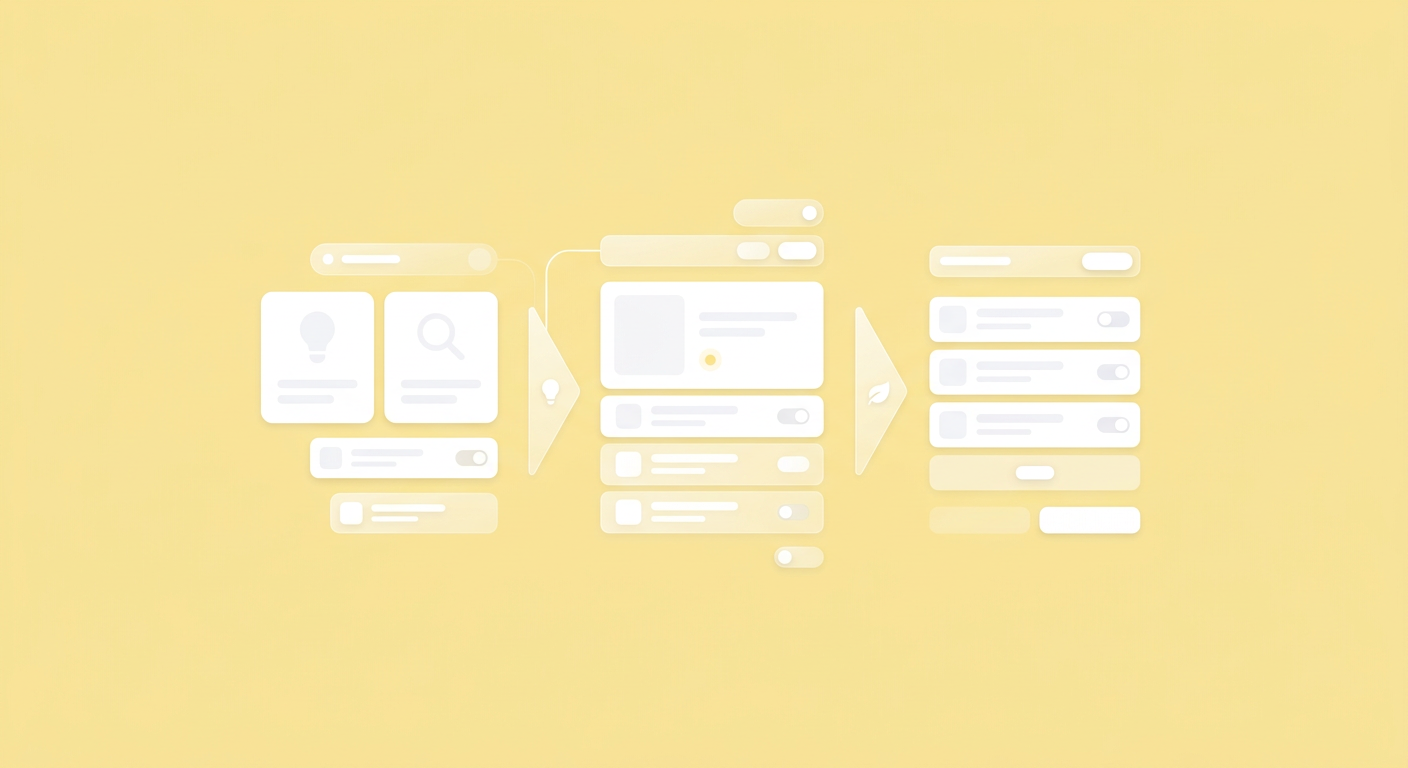
The modern workflow for technical PMs requires a continuous feedback loop between ideation and functional output. Instead of passing static documents over a wall, product managers rapid prototyping efforts involve compiling immediate, clickable experiences in environments that closely mirror the final destination. This workflow can be broken down into key steps:
While 64% of product teams have integrated AI into their products according to Pragmatic Institute, finding the right application for internal tooling remains an active challenge. You need a process that translates rough concepts into interactive artifacts without demanding deep software engineering expertise from the product manager.
Ideation and Spec Translation
The process begins by converting product requirements into actionable functional components. Instead of writing exhaustive acceptance criteria, you can prompt an assistant to generate the baseline interface required to test a hypothesis. This immediate translation from thought to function tightens the iteration cycle dramatically.
Getting these concepts out of your head and into a format others can interact with is the first step toward achieving consensus. If you want a deeper look at retaining meaning during this phase, check out our guide on Ending Context Loss: Moving from Product Ideation to Clickable Prototypes.
Rapid Iteration with Engineering
Once a functional baseline exists, collaboration with engineering becomes highly targeted. This means:
Builder.io's 2026 AI prototyping guide explicitly advises: "Before sprint planning: Prototype the feature you're proposing." When engineers can click through the proposed flow, they can immediately spot feasibility constraints or architectural conflicts. This hands-on review process builds trust and accelerates the path to production.
Testing with Realistic Data
A product manager engineering prototype delivers the most value when populated with realistic data states. Testing an interface with perfectly formatted placeholder text creates a false sense of security. To ensure robust validation, consider the following:
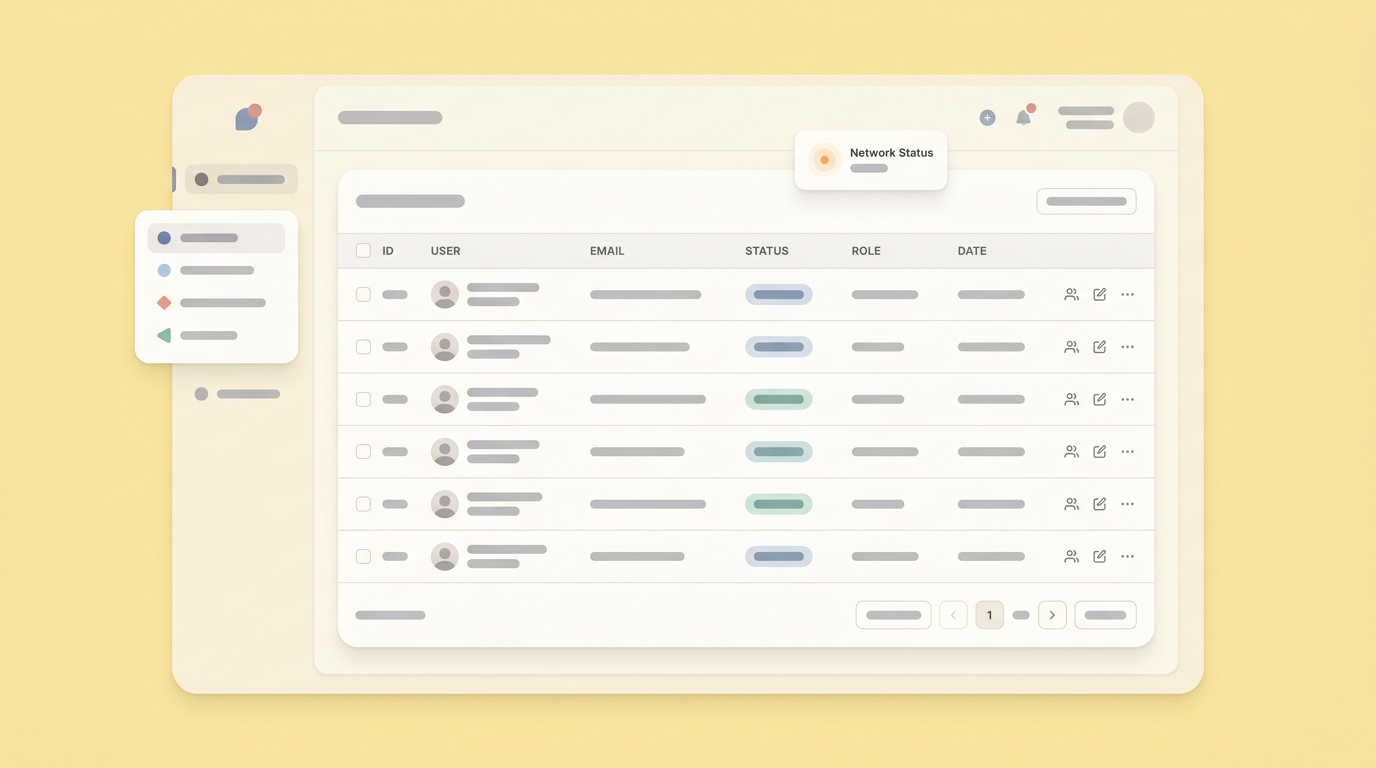
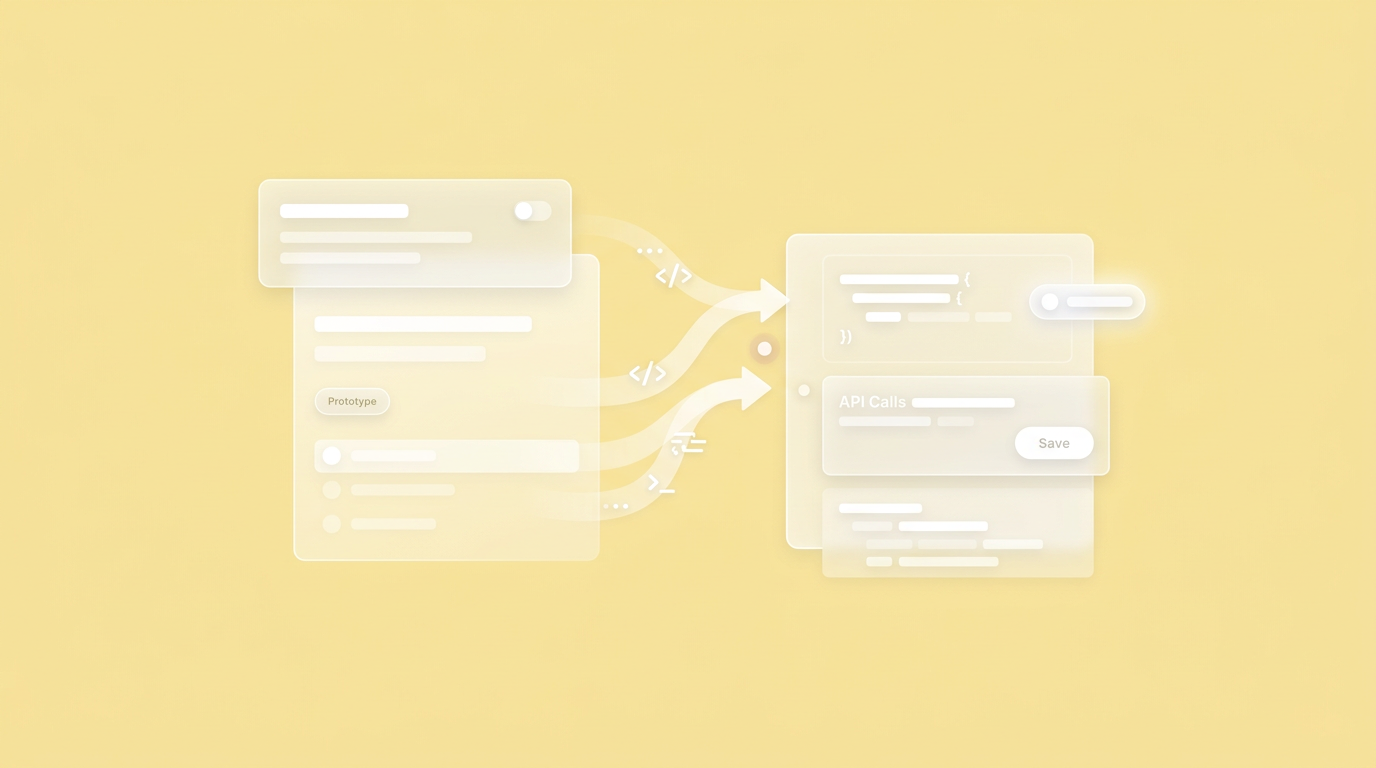
Connecting the temporary build to staging APIs or mock databases reveals pagination issues, loading state requirements, and error handling gaps. Users participating in usability testing provide much higher quality feedback when interacting with data that makes sense to them. They stop critiquing the placeholder text and start evaluating the actual utility of the feature.
Bridging the Gap Between PM and Engineering
Connecting product management and software engineering requires artifacts that both disciplines respect. A static slide deck works for leadership, but engineers need to see the technical implications of a request. Working closer to the technical foundation bridges this communication gap effectively.
According to an analysis of developer telemetry shared on LinkedIn, teams with high AI adoption completed 21% more tasks and merged 98% more pull requests. This velocity increase stems directly from better upfront alignment and fewer misunderstandings during the build phase.
Aligning Output with Production Reality
Building artifacts that mirror production reality forces product managers to confront technical constraints early. You cannot gloss over authentication flows or complex state management when creating a functional build. This confrontation with reality results in more thoughtful, technically sound product requirements.
If you struggle with maintaining alignment after the initial design phase, read our piece on Why Your PRD Fails in Design (And How to Fix the Handoff). Grounding your early exploration in the actual technical constraints ensures you do not promise features that the current architecture cannot support.
Securing Buy-in Through Functional Demos
Showing is always more effective than telling when trying to secure stakeholder buy-in. A functional demonstration bypasses the cognitive load of trying to interpret a complex product requirements document. Stakeholders can click a button and immediately understand the value proposition.
This approach creates clarity across the entire organization. When marketing, sales, and executive leadership can interact with the proposed solution, they offer actionable feedback rather than speculative critique. The conversation shifts from "will this work?" to "how can we refine this?".
Where Product Validation Goes From Here
The expectation for product managers to deliver interactive validation assets will only intensify. As the tooling becomes more capable of handling complex state and integrating with existing repositories, the barrier to creating realistic experiences will drop further. The discipline is evolving to require functional proof before organizational commitment.
Teams will continue refining how they construct these early assets to maximize learning while minimizing rebuilds. The focus is shifting toward establishing strict component guidelines for generation tools and ensuring temporary builds can cleanly hand off to engineering. The product managers who excel will be those who can navigate the space between defining a problem and demonstrating its functional solution.
Your team can start building functional prototypes directly within your actual codebase by creating a free account with Dazl today.
Get Started