The Agile Design Handoff Process: Fixing the Bottleneck
Product teams often spend weeks refining a user experience, testing assumptions, and carefully mapping user journeys. The formal synchronization meeting arrives, a link to the prototype is dropped in the team chat, and an endless cycle of clarification questions immediately begins. Developers ask about missing empty states, designers realize their interactions cannot be built within the current sprint constraints, and product managers find themselves buried in a mountain of translation work. This sequence creates immense friction precisely when teams need momentum the most. Moving products from concept to implementation requires a workflow that treats synchronization as a continuous loop, not a discrete event.
Redefining the Agile Design Hand Off Process
The agile design hand off process has shifted from a rigid, one-time handover event into a continuous cycle of synchronization. Modern product teams replace massive final spec documents with ongoing collaboration, embedding engineers deeply into early discovery stages to align on technical feasibility long before formal development begins.
The Cost of Traditional Synchronization
Friction between design and development phases creates measurable drag on engineering velocity and product quality. Traditional workflows force teams into a siloed approach where one discipline finishes their work entirely before passing it along to another.
According to research from Builder.io, 66% of teams waste between a quarter and half of their time strictly on inefficiencies surrounding design delivery. These inefficiencies typically manifest as missing states, vague specifications, and endless clarification loops. The compounding effect of these delays forces product managers to constantly adjust timelines and sacrifice planned scope just to accommodate the translation layer.
This lost time stems entirely from engineers attempting to manually translate visual intent into functional code while designers scramble to retroactively document missing interactions.
Agile vs Waterfall Realities
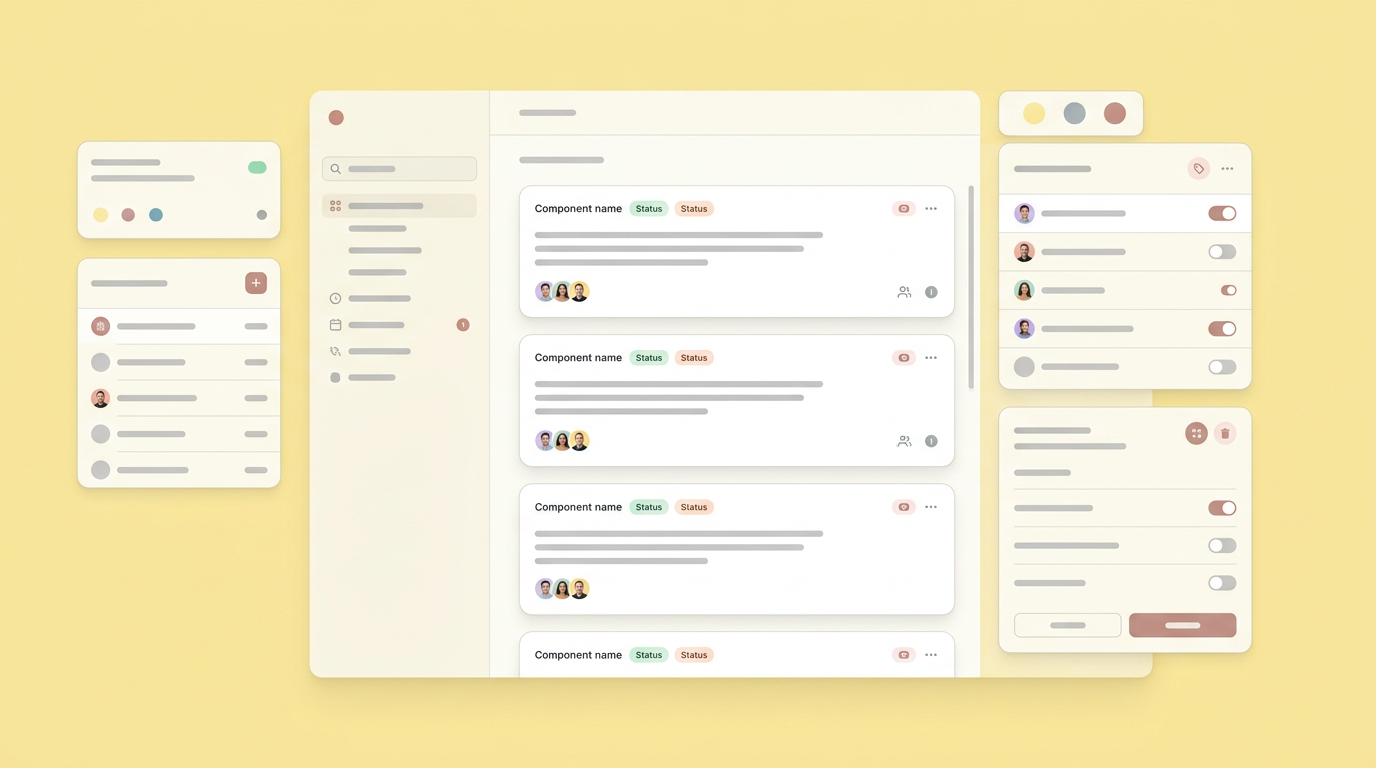
Agile workflows demand rapid iteration and flexibility, yet many teams inadvertently enforce waterfall-style handovers at the very end of their design sprints. True agile execution requires parallel processing where discovery and constraint identification happen simultaneously.
In an effective continuous process, design work typically runs roughly one sprint ahead of technical execution. During this lead time, product teams engage in continuous design validation and technical feasibility checks. Developers review early wireframes and architectural implications long before high-fidelity visual assets are finalized, allowing the team to catch structural issues before they become expensive refactoring tasks.
Divergence Between Design and Code
When visual assets and codebase exist in isolation without continuous communication, visual drift becomes inevitable. A formal handover meeting rarely guarantees that the final compiled product will match the original intent of the product team.
Core Bottlenecks Creating Workflow Friction
Identifying the exact points where workflows stall is the first step toward improving cross-functional momentum. Bottlenecks typically emerge when product teams rely on static artifacts to communicate highly dynamic user experiences, forcing developers to make assumptions about state logic.
The Manual Coding Sink
The process of manually converting visual layers, properties, and layouts into responsive structural code remains one of the largest time investments in the product lifecycle. Every visual component requires meticulous transcription into functional logic.
When multiplied across an entire application flow involving onboarding, dashboards, and settings panels, this transcription work rapidly consumes sprint capacity that should be entirely focused on core business logic and backend routing.
Shifting from Specs to Living Prototypes
Static specification documents are incredibly difficult to maintain and often become obsolete the moment a single interaction rule changes. Product managers need artifacts that clearly demonstrate behavior rather than just describing it in paragraphs.
When engineers can interact directly with a functional model, they instantly understand complex interaction states.
Dazl sits right here as a teammate from ideation and spec writing through a hand-off ready prototype, keeping the whole team aligned before anyone writes a line of production code.
Integrating Developers Early in Design Sprints
Keeping engineering teams isolated until the design phase finishes completely eliminates their ability to influence technical feasibility. Early developer involvement grounds the ideation process in technical reality and architectural constraints.
Industry practitioners emphasize this shift in continuous integration. A comprehensive guide on synchronization workflows by HelloPM notes that in a true agile spirit, the handover is continuous, and developers must be deeply involved during the active design iterations. This ongoing dialogue ensures that components are designed with actual database structures and API limitations in mind.
Implementing a Continuous Design Integration Workflow
Transitioning from rigid phases to a fluid pipeline requires updating both team ceremonies and artifact expectations. A successful agile product development handoff connects user stories, architectural plans, and interactive elements into a cohesive package that supports rapid execution.
Structuring the Synchronization Cadence
Effective alignment ceremonies do not wait for the end of a milestone. They are built directly into existing sprint rituals to ensure constant recalibration between the product roadmap and the engineering reality.
In practical application, the formal synchronization often occurs directly during backlog grooming sessions or immediately preceding sprint planning. Below are key ways teams adjust their standard routines:
- Engineering leads participate in early user interviews to build raw empathy for the user problem.
- Product managers establish async channels specifically dedicated to technical Q&A on upcoming features.
- Teams replace static redline reviews with interactive prototype demonstrations.
- Designers present upcoming work during standard engineering standups to build early familiarity.
Navigating the Agile Design Implementation Bridge
Connecting the abstract vision of a feature to the precise requirements of an engineering sprint requires clear documentation of intent, boundaries, and variables. Teams must systematically map visual libraries directly to their corresponding codebase properties.
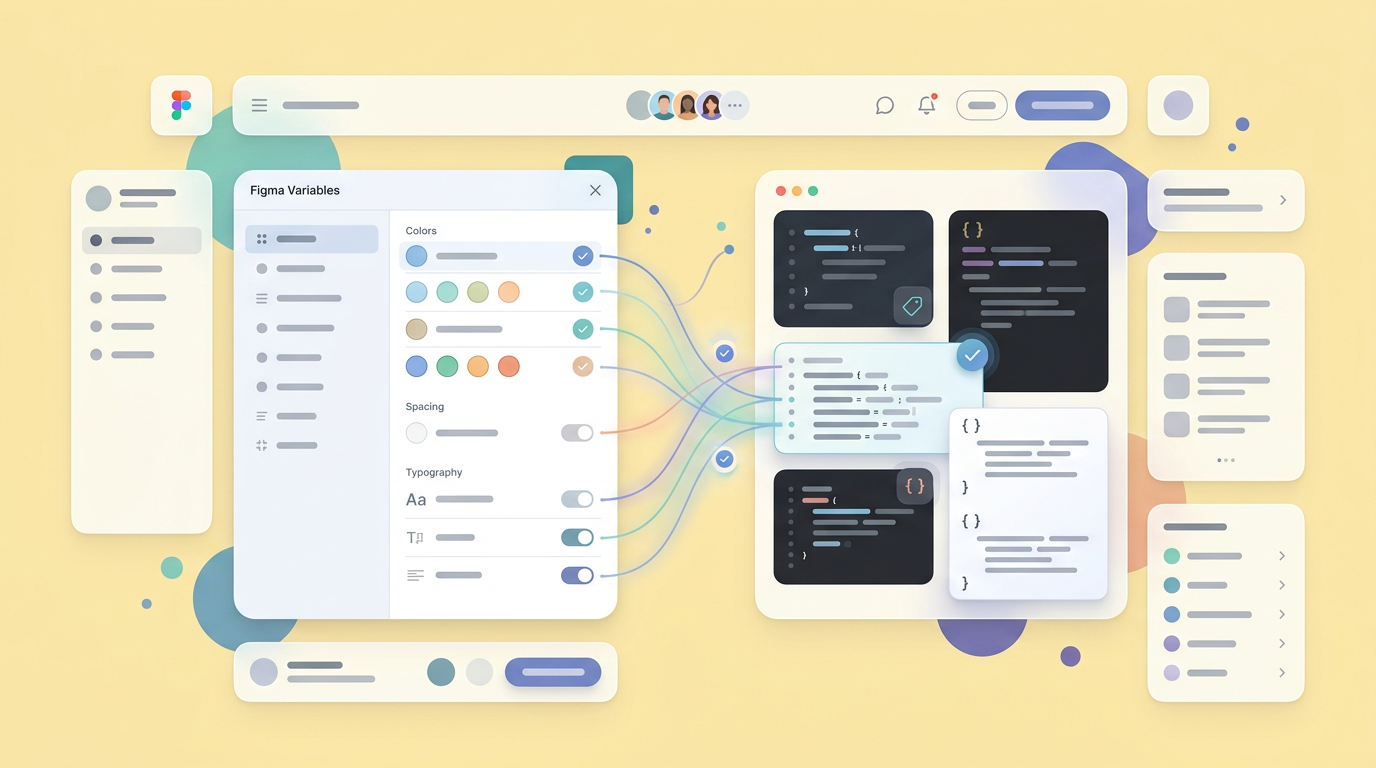
When guiding a complex build, you have to provide exhaustive context regarding edge cases. Using an agile design collaboration workflow, teams systematically link Figma variables directly to React components or CSS tokens, reducing the guesswork for frontend engineers.
Establishing a Shared Vocabulary
Miscommunication often stems from disciplines using entirely different terminology to describe the exact same elements. A shared vocabulary allows product, design, and engineering to communicate with high precision and low friction.
A 2024 academic study from Diva-Portal analyzing agile team structures highlighted that adopting a unified design system dramatically improves cross-functional communication, reduces frontend inconsistencies, and speeds up feature implementation. By standardizing terms, a product manager can request an "elevated primary action card," and both the designer and developer immediately understand the precise padding, shadow level, and behavior required.
The Role of Design Systems and AI in 2026
Modern alignment practices lean heavily on intelligent infrastructure to eliminate redundant translation tasks. Design systems and generative capabilities now bridge the gap between static imagery and functional structure, automating the most tedious parts of feature creation.
AI-Driven Prototyping and Code Generation
Artificial intelligence is rapidly altering how teams convert concepts into tangible formats. By reducing the manual toil of mapping shapes to code, AI tools allow cross-functional teams to focus entirely on user experience and business outcomes.
Integrating AI into the early planning phases fundamentally alters the validation cadence for modern PMs. Rather than waiting weeks for a high-fidelity mockup to test an assumption, product managers can quickly generate functional models to test interaction paths. This drastically compresses the timeline between initial ideation and technical planning, moving discussions away from pixel-pushing and toward system architecture.
Evolving Toward a No-Handoff Future
The most advanced product teams no longer aim to optimize their handover meeting; they aim to eliminate the handover entirely. This environment relies on living systems where changes made in a visual interface immediately reflect in the underlying code components.
The Interaction Design Foundation observes that design handoff is actively shifting from a singular event to a continuous, deeply intertwined process. Developers build interfaces alongside designers in shared environments, treating the repository and the design workspace as two views of the exact same product truth.
Rethinking the Path to Production
The structural separation of product ideation, interface design, and technical execution no longer serves teams trying to maintain momentum in modern development cycles. Moving forward, product managers must focus on building shared context rather than perfectly detailed specification documents.
In our testing of different team structures, teams routinely report the highest velocity when they stop treating code as a translation of design. Instead, they treat both the prototype and the code as parallel expressions of the user story. Product managers who facilitate continuous, prototype-led synchronization cycles will find their teams spending less time debating edge cases and significantly more time shipping verified value to users. The true measure of an effective workflow is not how comprehensive the final spec document looks, but how quickly the team can move from a validated concept to a robust technical implementation with complete confidence.
You and your team can implement these collaborative workflows today by joining Dazl to optimize your agile design handoff process.
Get Started