Why Your Stakeholder Feedback Is Scattered (And How to Unify It)
You sit down with your lead product manager to review the status of the new user onboarding flow. When you ask if the team is aligned, the answer is a complicated mosaic. Design gave a thumbs-up on the visual mockups. Marketing left a string of comments in a Google Doc about the messaging. Engineering created five separate Jira tickets questioning the logic of a specific dropdown menu, while the CEO dropped a casual Slack message asking what happens if a user skips step two.
When you manage a growing product organization, this fragmentation is a constant friction point. Teams often assume that stakeholder feedback scattered across tools is simply a failure of process. The common belief is that if you can just force everyone to use the same feedback aggregator or stick to a strict commenting etiquette, the confusion will disappear.
That assumption misses the root cause of the misalignment. Stakeholders scatter their feedback because they are reacting to static artifacts that cannot simulate the actual product experience. When a Head of Product looks at a flat image, they are forced to imagine the interactions, state changes, and edge cases. This cognitive load pushes them to ask foundational questions across whatever communication channel they happen to be using, rather than providing targeted feedback on a cohesive experience.
The Root Cause of Fragmented Input
Treating scattered feedback as a software problem leads teams to invest heavily in consolidation tools without fixing the underlying artifact. When the core asset is a flat image, the questions surrounding it will inevitably splinter based on the stakeholder's domain.
Why the Single Source of Truth Fails
A static screen cannot serve as a true single source of truth for a dynamic software product. Designers view the file as the final layout, but engineers view it as an incomplete set of instructions. Because the flat design cannot answer questions about loading states, error handling, or responsive behavior, engineering teams take those questions to task trackers or technical documentation.
According to a report from Granicus on digital engagement, only 15 percent of respondents use an integrated system that allows for real-time commenting and unified collection. The vast majority of teams are left managing feedback from multiple sources, trying to patch together a coherent picture of what needs to be built.
The Cost of Context Switching
When stakeholder input consolidation requires jumping between a design file, a PRD, and a technical spec, the product manager becomes a human router. They spend their days translating design concerns for engineering and engineering constraints for design.
The market for solving this friction is massive. The customer feedback software space reached USD 4.38 billion in 2025 and is projected to hit USD 10.71 billion by 2031, growing at a 16.50 percent CAGR. Yet, pouring money into feedback software does not solve the problem if the asset being reviewed remains a lifeless mockup.
How Static Screens Break Alignment
When an executive looks at a static design, they cannot click a button to see what happens next. They cannot type into a form field to trigger validation errors. Because they are denied the actual experience of the product, their feedback tends to be superficial or heavily speculative. They comment on the shade of blue used in a header rather than the flow of the user journey, simply because the color is the only tangible thing they can evaluate.
Combining Customer Feedback Channels Through Better Artifacts
To prevent misalignment between what design approved and what engineering built, product teams must change the artifact they put in front of their stakeholders. Moving from static images to functional prototypes shifts the conversation from theoretical debates to practical product reviews.
Shifting from Reviewing to Experiencing
When you present a clickable prototype, stakeholders stop asking "what happens if I click this" and start actually clicking it. This immediate feedback loop fundamentally changes the quality of their input. They can feel the friction in a multi-step form or experience the clarity of a well-designed dashboard.
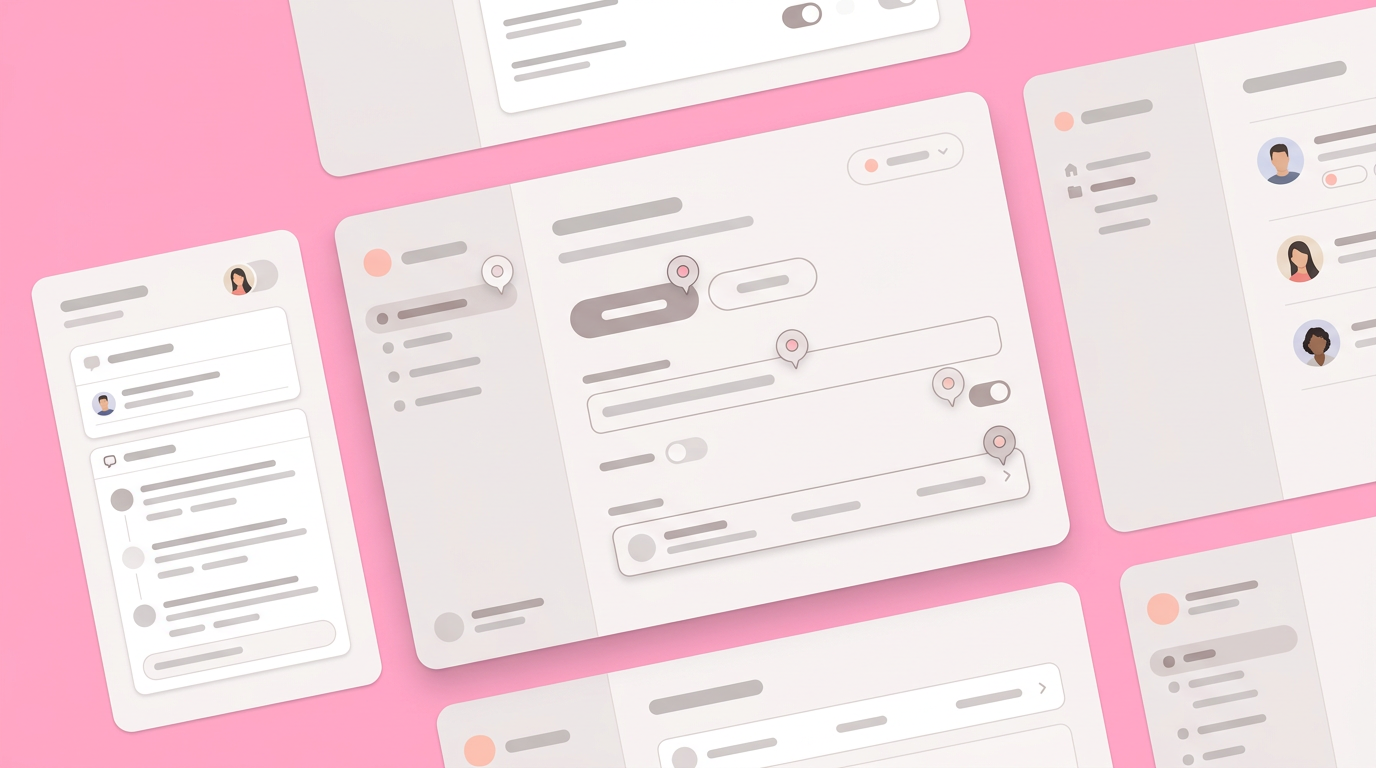
In our experience observing high-performing product orgs, teams that replace static handoffs with interactive prototypes see a dramatic reduction in misinterpretation. When everyone interacts with the same functioning model, unified stakeholder communication becomes the default state rather than a tedious administrative goal.
The Rise of Spec-Driven Prototyping
Building these interactive models used to require significant engineering bandwidth. Today, product managers can use Dazl to generate hand-off ready prototypes directly from their product specs. This allows the PM to show the idea rather than just describing it, providing a concrete foundation for stakeholder engagement.
This approach directly addresses the static Figma problem by giving the entire team a working version of the concept before engineering writes a single line of production code. You can learn more about this shift by reading about ending handoff pain and why product teams need more than static UI screens.
Consolidating the Review Process
Once the team is reviewing a functional prototype, consolidating the feedback becomes much easier. Because the prototype answers the basic functional questions, stakeholders are less likely to open separate tickets or send disconnected emails. They can leave contextual feedback directly on the interactive elements, streamlining the review cycle and keeping the entire EPD (Engineering, Product, Design) triad aligned.
Running Multiplayer Product Reviews That Actually Work
Getting real stakeholder reactions to a product experience requires more than just sending a link and hoping for the best. Product leaders must orchestrate review sessions that use the interactive nature of the prototype to drive consensus.
Unifying Stakeholder Communication
A multiplayer product review session allows cross-functional leaders to interact with the prototype simultaneously, enabling them to:
- Marketing can review the copy in context.
- Engineering can inspect the logic flows.
- Design can ensure visual consistency.
By experiencing the product together, the team can resolve conflicts in real time rather than navigating a slow, asynchronous game of telephone.
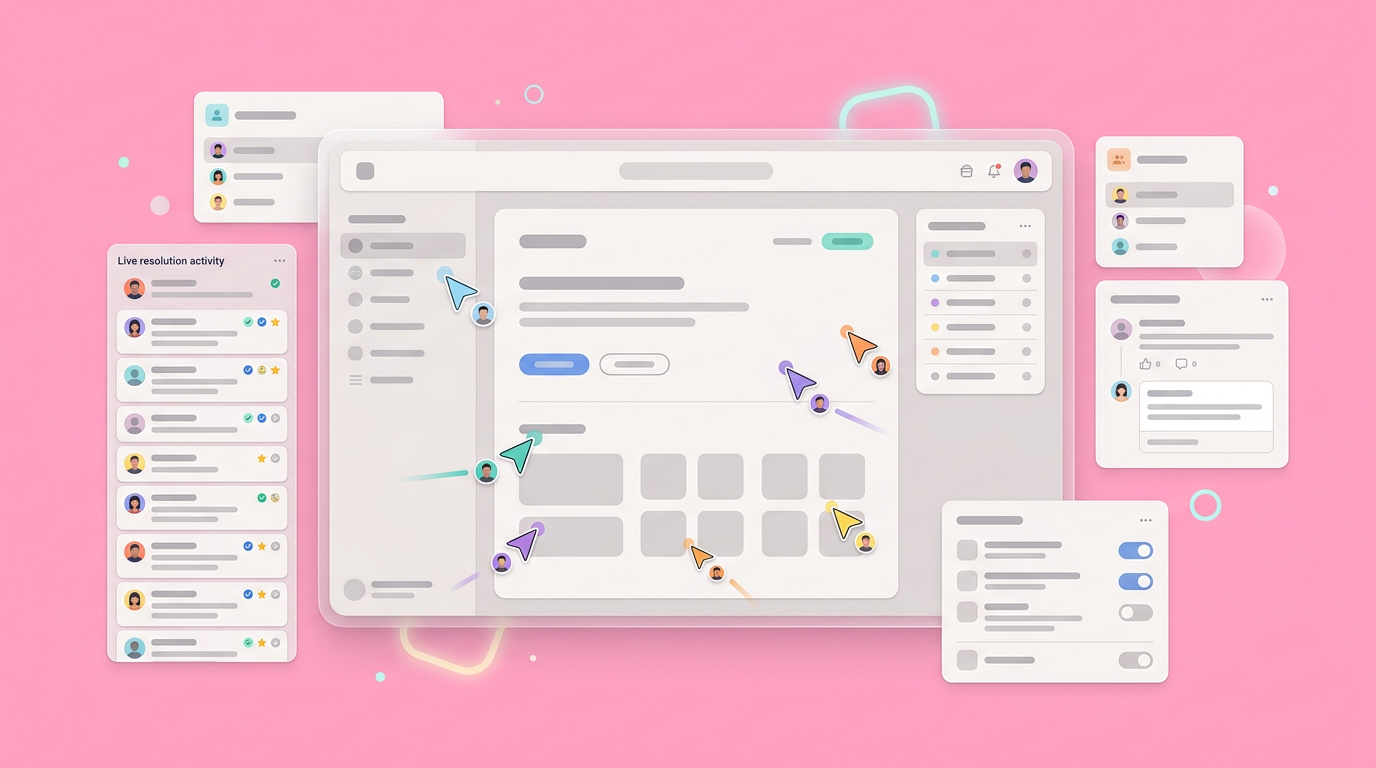
These collaborative sessions are crucial for maintaining momentum. When feedback is scattered, resolving conflicting opinions can take days. When everyone is looking at the same interactive model, a product manager can facilitate a quick decision and move the project forward.
Closing the Feedback Loop
Collecting feedback is only the first half of the equation. Product teams must also demonstrate how that feedback influenced the final product. According to project management experts, the most critical practice is showing stakeholders how their input changed decisions; when stakeholders observe their input being consistently dismissed, engagement deteriorates rapidly.
A well-structured feedback loop requires disciplined synthesis. As one stakeholder feedback guide recommends, teams should:
- Read the open-ended comments into themes by group.
- Rank the concerns.
- Track each one to a response.
- Tell stakeholders what changed so feedback becomes a closed loop rather than a filed report.
Addressing the Voice of the Customer
Internal stakeholders are not the only ones whose feedback gets lost in the shuffle. Customer feedback channels often suffer from the same fragmentation.
By utilizing interactive prototypes during early user testing, product teams can capture higher-quality VoC data. Users can interact with the proposed solution and provide concrete reactions, giving product managers reliable data to share with their internal stakeholders. This objective user data helps break internal ties and keeps the team focused on solving real user problems. For more insights on achieving this balance, explore our guide on the static prototype problem and achieving consensus across EPD.
A New Framework for Product Consensus
The friction of stakeholder feedback scattered across tools will not be solved by adding yet another aggregation platform to your tech stack. The issue stems from a fundamental disconnect between the artifacts we use to design software and the reality of how software actually works. Static screens ask stakeholders to perform mental gymnastics, translating flat pixels into dynamic experiences. That cognitive gap is where alignment goes to die.
By shifting the conversation to interactive, clickable prototypes early in the product journey, product leaders can eliminate the guesswork. When stakeholders can click, navigate, and experience the proposed solution, their feedback becomes targeted, practical, and highly actionable. The team stops debating theoretical edge cases and starts iterating on a shared, tangible reality. The path to production shortens, context loss disappears, and the entire organization moves forward with confidence.
You can bring your team together by signing up for Dazl to consolidate all stakeholder feedback within a single interactive environment.
Get Started