
7 Ways AI Development Tools Accelerate Startup Product Planning
In our testing with early-stage teams, the longest delay in any sprint happens between writing the initial specification and observing the first functional interaction. Product requirements documents pile up as engineers ask for endless clarifications. The momentum predictably slows down when teams rely solely on text descriptions to explain complex workflows. Startups operate under immense pressure to deliver value fast, yet teams often lose days arguing about isolated feature interpretations. Moving beyond static documentation enables product teams to finally see the actual shape of their ideas. This approach greatly improves collaboration and reduces misunderstandings.
A recent McKinsey study found that generative AI can accelerate product time to market by about 5 percent across a six-month product development lifecycle. That speed does not emerge from engineers typing code faster. It comes from clarifying exactly what to build before any backend logic gets mapped. The most effective ai development tools for startups product planning workflows eliminate the ambiguity of text-based descriptions and replace them with shared visual context. Establishing this interactive foundation early prevents expensive communication breakdowns during the development phase.
1. Shifting From Static Requirements to Interactive States
AI tools for new product development allow teams to convert abstract ideas immediately into clickable functional flows. This early visualization clarifies structural dependencies before writing a single line of backend logic. Startups move significantly faster when product managers can actually click through a proposed workflow rather than simply reading about it. This method entirely bypasses the traditional bottleneck where product managers wait for dedicated wireframes to visualize a concept.
Visualizing feature dependencies early
Startup product roadmap AI models convert written acceptance criteria into tangible interactions. Product managers capture user requirements and instantly view visual representations of those expected states. This immediate feedback loop clarifies feature scope long before engineering teams touch their core repositories. Moving from text constraints to visual layouts forces product owners to answer major structural questions immediately.
Many startups rush to configure heavy API infrastructure on platforms like AWS, Vertex AI, or Hugging Face entirely too early. Yet engineering effort frequently stalls because the fundamental user interface handling those complex data streams remains completely undefined. Teams absolutely require visual validation before building extensive server architecture. Connecting a front-end experience piece by piece reveals exactly which data points back-end systems actually need to fetch natively.
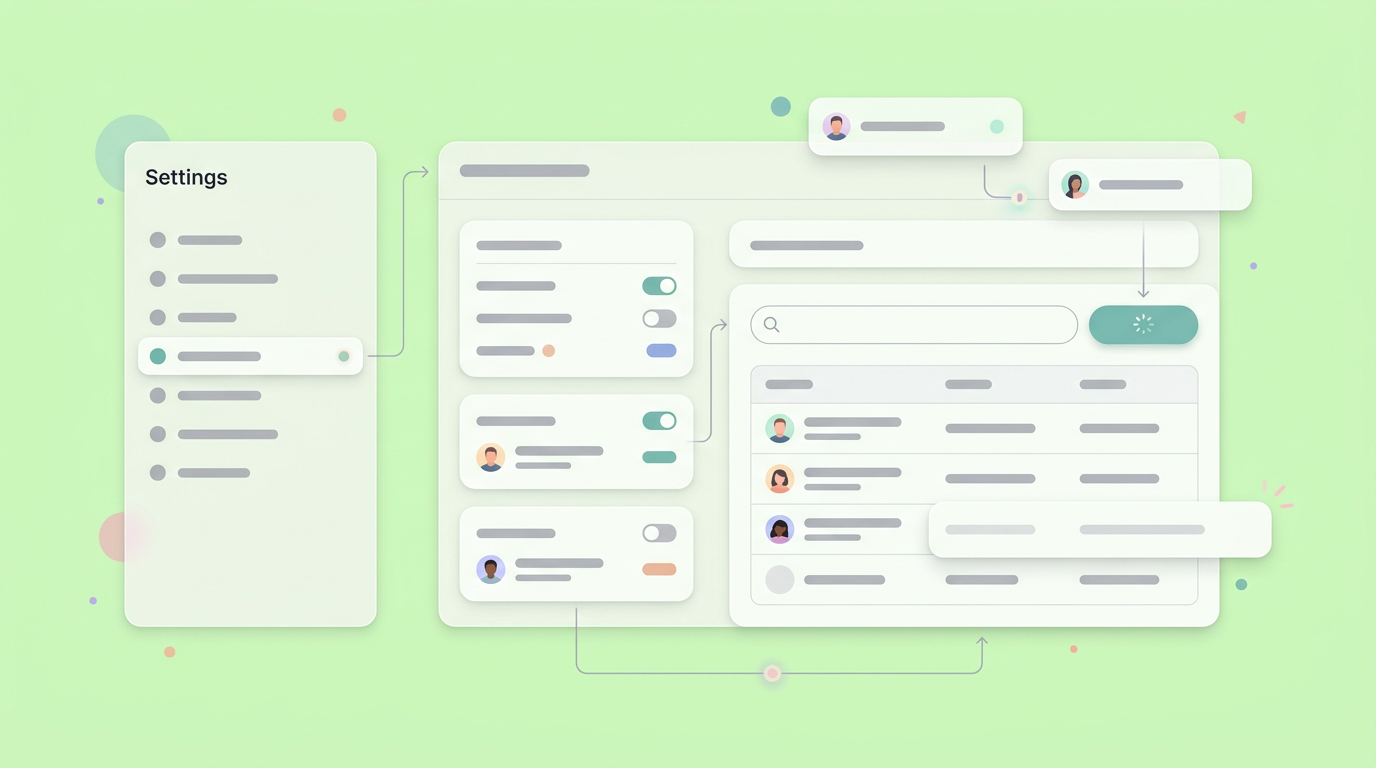
2. Automating Edge Case Identification and Error Mapping
Product planning software AI for entrepreneurs scans proposed features to highlight unaddressed operational edge cases. Teams use these predictive insights to design fallback states and dynamic error messages before users encounter them natively. Predicting these interaction failure points prevents massive code rework later in the deployment cycle.
Testing the boundaries of user input
AI-assisted product strategy startups rely on predictive interactions to test how unexpected user inputs impact intended application flows. Spotting these failure points early saves significant engineering corrections later in the active sprint. Generative systems act as an excellent sounding board during early feature discovery phases. They prompt you to consider explicitly what happens when a database fails to load or a user inputs contradictory data formats.
Addressing these minor interaction details early ensures product quality does not suffer when engineering races to meet impending deployment deadlines. In our own deployment cycles, we noticed that surfacing these constraints visually keeps team alignment incredibly tight. Documenting how the system should handle an expired session token or a negative account balance via interactive models removes the total guesswork from the engineering queue.
3. Structuring the Startup Roadmap With Visual Validation
Startup product roadmap AI integration shifts strategic planning from static spreadsheets to dynamic scenario models. Product managers use these active prototypes to test resource allocation against feature prioritization instantly. Founders cannot afford to build every requested feature, so testing concepts interactively dictates what actually makes the final actionable backlog.
Prioritizing sprint goals based on real interaction
AI tools for new product development map exact user steps through highly complex proposed workflows. Teams identify dead interaction ends and missing functional states visually instead of relying on theoretical discussions during backlog refinement sessions. Using dynamic prototypes as a centralized source of truth significantly reduces friction between product design and operational teams. When founders see a complex feature represented as a clickable path, they can accurately decide if the targeted user value justifies the engineering hours required to build it.
Reviewing the best AI solutions for product development, teams incorporating early visual planning decrease their initial time-to-market by nearly 35 percent. Planning transforms structurally from a subjective guessing game into objective evidence-based prioritization based on user testing criteria. Allocating startup resources demands extreme precision, and functional mockups ensure you only fund strictly validated concepts.
4. Aligning Stakeholders Through Clickable Evidence
Interactive prototyping tools replace static presentation slide decks for critical executive meetings. Stakeholders click through proposed workflows directly, offering concrete feedback on the actual experience rather than debating theoretical text descriptions. Concrete functional interactions completely remove subjective individual interpretation from standard product review sessions.
Removing ambiguity from product reviews
AI for early-stage product innovation turns high-level abstract conceptual ideas into shareable, functional visual modules. Founders secure internal budget approvals considerably faster when investors or cross-functional leads can navigate the logic pathways directly themselves. Securing capital and obtaining internal buy-in often rely heavily on demonstrating a clear product vision. Sending a digital link to an active feature model generates infinitely better foundational feedback than attaching a massive text document to an email update.
Walking into a monthly planning session with a clickable state shifts the conversation from subjective opinions directly to objective usability metrics. Read more about how PMs select AI product development tools for startups to navigate these crucial internal business conversations.
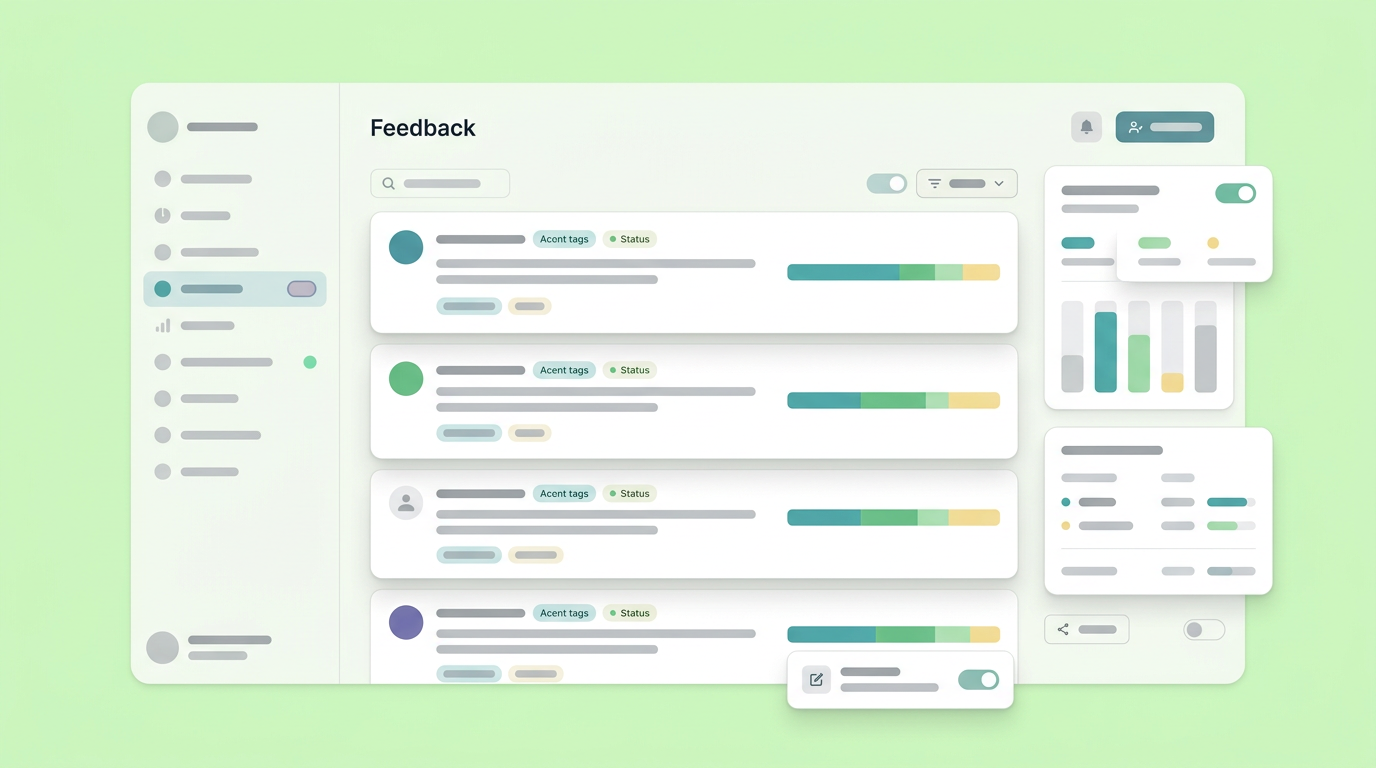
5. Selecting the Right Tools for Your AI Workflows
Effective product planning software AI for entrepreneurs generates structural frontend platform foundations rather than just flat image mockups. This accelerates the critical handoff phase significantly because engineers receive tangible component states rather than open-ended text feature descriptions. Selecting integrated systems that output actual structural layout variables ensures the pre-work translates directly to the technical development team.
Balancing speed and flexibility in 2026
Modern tooling evaluation measures exactly how quickly a product team can iterate on a functional concept before locking it into production. [Salesforce lists the top AI tools for startups](https://www.salesforce.com/artificial-intelligence/ai-for-small-business/best-ai-tools/startups), emphasizing how critical workflow efficiency deeply remains for small operations functioning in 2026. You want a comprehensive system setup that successfully bridges the early conceptual phase directly with actionable engineering tasks. Evaluate platforms based on their specific ability to handle distinct structural needs:
- Dynamic state change handling for realistic functional testing
- Variable input capture to mock genuine database interactions
- Conditional logic pathways that map accurate frontend responses
Static layout generation simply falls short for modern product teams tracking elaborate, multi-step journeys. This exact scenario is specifically where Dazl grounds the preliminary planning phase. Dazl is the PM's teammate from ideation and spec writing through a hand-off ready prototype, keeping the whole team aligned. By centering the operational workflow entirely around a shared functional module, the entire cross-functional organization stays completely synchronized on development goals.
6. Tightening the Developer Handoff Process
AI development tools structure generative logic output so engineering teams receive predictable internal variables and interactive user component states. This distinct clarity prevents the frequent back-and-forth messaging commonly typical of traditional agile design handoff processes. Engineers require highly clear structural blueprints of application logic, isolated flat pictures of expected user interfaces.
Removing guesswork for engineering teams
Modern structural creation tools map complex application state changes and embedded user variables alongside visual configuration components. Developers inherit a highly systematic framework of understood boundaries instead of repeatedly guessing the specific foundational intent behind static presentation layers. Passing an interactive operational element directly to a developer ensures they understand exactly how a navigation button responds immediately upon a user click interaction. Developers consistently perform best when they have clear functional boundaries handed directly to them.
No provided source supports a specific percentage reduction in developer handoff delays from visual prototypes. We consistently notice that sharing a fully formed functional interaction provides the exact technical roadmap an engineer requires to structure their core frontend architecture efficiently. This clarity in communication prevents costly rework and accelerates the development cycle. For specific implementation logic tactics on bridging this execution gap, thoroughly explore 7 ways to tighten the product design handoff in 2026.
7. Testing Complex Logic Without Backend Deployments
AI for early-stage product innovation helps teams securely test complicated interactive user flows without deploying raw code to live cloud hosting environments. Startups can validate their complete functional interaction models entirely before investing critical capital in massive backend routing systems. You can effectively simulate data fetching processes and active loading state updates directly within the closed prototyping workspace interface.
Simulating data interactions dynamically
Testing a conversational chat logic stream or a highly complex enterprise user onboarding path does not functionally require spinning up expensive persistent cloud servers right away. Product managers frequently create simulated application pathways that mock real user data network responses flawlessly. Users interacting directly with these early software versions provide highly authentic structural usability feedback on the intended final experience. Building interactive test models simulating third-party API network delays prepares the early design system perfectly for real-world internet connectivity latencies.
Relying on temporary internal simulation servers strongly limits your financial exposure to costly cloud processing overruns during the primary project discovery phase. You gather the qualitative testing data completely necessary to adjust the feature scope deliberately before making binding architectural coding decisions. Discover much more detailed mechanics on this specific logic approach by reading thoroughly about conversational AI prototyping to see exactly how data formatting keeps expanding software teams entirely on track.
Redefining the Next Phase of Startup Prototyping
The standard operational timeline between deciding precisely what software features to build and actually testing them with live users continues to reliably shrink rapidly in 2026. Planning a massive new digital application interface no longer purely involves drafting hundred-page static specification documents or waiting extensive weeks for visual design teams to systematically pixel-push every single possible screen data state independently. Iterative modern deployment workflows demand immediate structural digital models that diverse users and corporate stakeholders can immediately test, intentionally interact with, and thoroughly validate objectively.
These rapid methodologies consistently represent a fundamental operational shift in how independent startups navigate the highly turbulent technical waters of early-stage complex software creation. Adopting highly integrated visual prototyping workflows successfully aligns every single team member directly with the actual end user's core application needs. By integrating functional modeling directly into the earliest strategic stages of application feature conceptualization, product managers successfully reserve their highly expensive engineering capacity entirely for actual live production application builds. Test your fundamental product assumptions strictly interactively and confidently hand your execution engineering team a verified technical logic blueprint they can trust completely.
You can empower your team to turn these strategic insights into functional prototypes by creating a Dazl account to start your journey.
Get Started